Savory squash recipes turn winter squash into more than a sweet holiday side. Roast butternut squash for a sausage-filled main, blend it into pasta sauce, fold it through lasagna, or simmer it with tortellini. For a different texture, spaghetti squash makes a strand-filled gratin. This collection brings together nine recipes from OptimalRecipes, with clear comparisons and direct links so you can choose a dish that fits your dinner plans.
Compare the dishes · Browse the recipes · Common questions
Which Savory Squash Recipe Should You Choose?
Choose stuffed squash when you want individual serving halves, pasta or lasagna for a fuller main, and the roasted salad for a vegetable-led side. Spaghetti squash provides strands rather than the dense cubes or purée you get from butternut. The recipes below have different preparation stages, so they should not share one blanket cooking time.
| Recipe | Squash | Format | A good choice for |
|---|---|---|---|
| Sausage Stuffed Butternut Squash | Butternut | Stuffed squash | A substantial dinner served in squash halves |
| Butternut Squash Sausage Tortellini Soup | Butternut | Soup | A spoonable dinner with pasta and sausage |
| Butternut Squash and Spinach Lasagna | Butternut | Layered pasta bake | A meat-free main dish for the table |
| Creamy Orzo with Butternut Squash and Spinach | Butternut | Creamy orzo | A soft, scoopable pasta dinner or side |
| Butternut Squash Sausage Pasta with Coconut Milk | Butternut | Blended-sauce pasta | A smooth squash sauce with sausage |
| Autumn Sausage Pasta with Squash and Brussels Sprouts | Butternut | Chunky vegetable pasta | Roasted vegetables without a blended sauce |
| Spaghetti Squash Au Gratin | Spaghetti squash | Cheesy casserole | A squash-based alternative to a pasta bake |
| Cranberry-Glazed Roasted Butternut Squash Salad | Butternut | Warm roasted salad | A vegetable-forward side with tangy contrast |
| Maple Pecan Rosemary Acorn Squash | Acorn | Sweet-savory herb side | A rosemary-scented side for a holiday main |
What Makes Winter Squash Useful for Savory Cooking?
Butternut squash can stay in cubes, soften into a filling or blend into a sauce. That flexibility lets one vegetable work across several dinner formats without making every dish feel the same. Spaghetti squash behaves differently: once cooked, its flesh separates into strands that suit a gratin or casserole.
Build contrast around the squash. Garlic, onion, herbs and sausage give it a savory direction; cheese adds richness; a tangy component can balance a sweet-tart roasted salad. The recipes in this selection are savory dishes, although some include fruit or glaze as an accent. They are not presented as sugar-free recipes.
9 Savory Squash Recipes to Put on Your Dinner List
The descriptions below are an original guide to recipes published by OptimalRecipes. Each button opens the complete ingredient list and method on the source site.
1. Sausage Stuffed Butternut Squash

Roasted squash halves turn into individual serving bowls for a sausage-and-spinach filling. Cranberries bring a tangy-sweet contrast, while pecans add crunch to the soft squash. Choose this dish when you want the squash to remain the centerpiece of the plate rather than disappear into a sauce. It suits a sit-down dinner with a simple fresh side.
Key ingredients: Italian sausage, spinach, onion, garlic, dried cranberries and pecans.
Preparation note: Roast until the flesh yields easily to a spoon before filling. A large squash can need longer than a smaller one, so tenderness is more useful than an exact countdown.
GET FULL SAUSAGE STUFFED BUTTERNUT SQUASH RECIPE
2. Butternut Squash Sausage Tortellini Soup
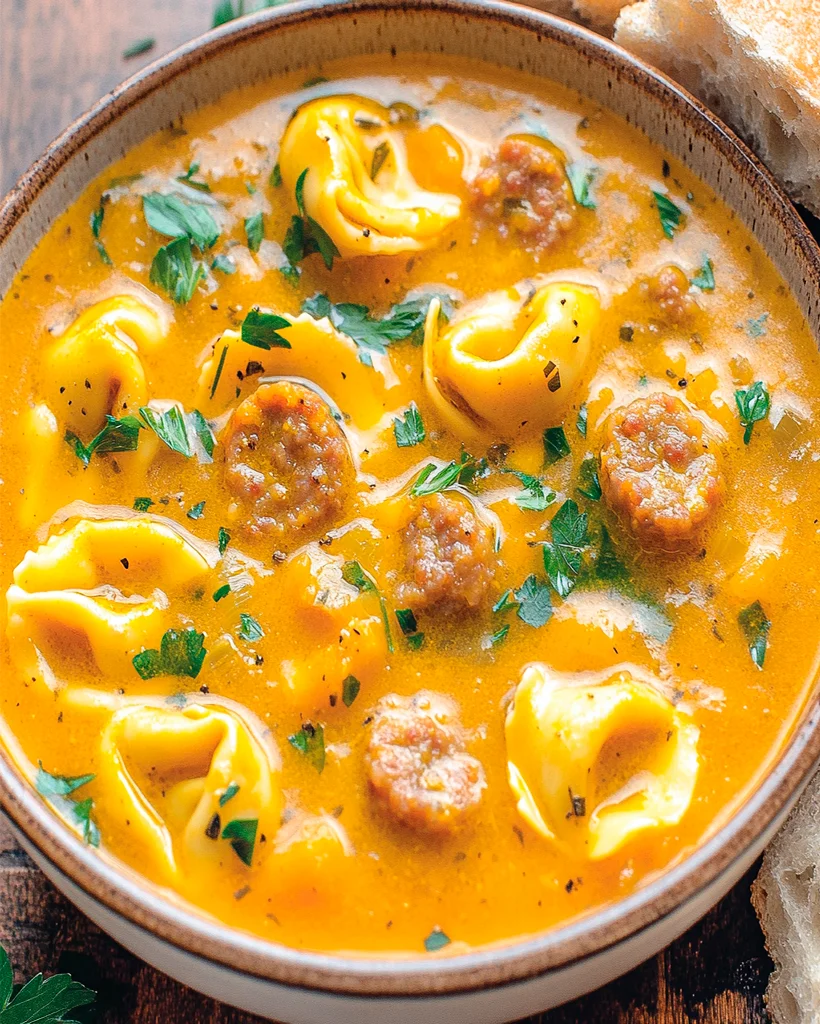
Squash cubes simmer in a savory broth before cheese tortellini and cream finish the pot. Sausage gives the soup a substantial base, and the filled pasta adds a different texture from ordinary noodles. Pick this recipe when you want a bowl meal instead of a baked dish. A fresh salad is enough alongside the rich broth.
Key ingredients: Italian sausage, cheese tortellini, chicken broth, cream, onion, thyme and sage.
Preparation note: Follow the cooking directions for the tortellini you buy. Filled pasta softens as it sits, so leftovers will have a thicker broth and softer pasta than the freshly cooked soup.
GET FULL BUTTERNUT SQUASH SAUSAGE TORTELLINI SOUP RECIPE
3. Butternut Squash and Spinach Lasagna
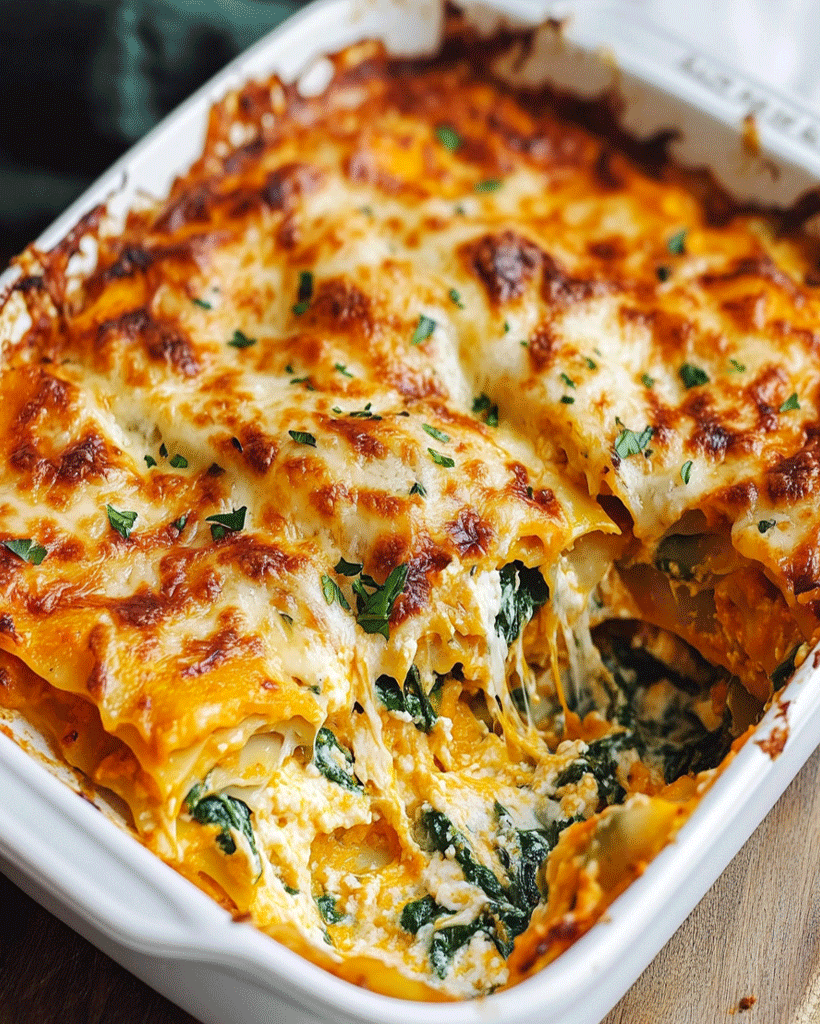
Squash purée replaces a tomato-led sauce in this layered pasta bake, with spinach and ricotta providing contrast between the noodles. Mozzarella and Parmesan give the top a familiar lasagna finish. It is a useful choice when you want a meat-free main that can be sliced and shared. Check cheese labels if you need a strictly vegetarian dish.
Key ingredients: Squash purée, spinach, lasagna noodles, ricotta, mozzarella, Parmesan and sage.
Preparation note: The recipe uses prepared squash purée and cooked noodles. Making purée from a whole raw squash adds another preparation stage; include that when planning your dinner.
GET FULL BUTTERNUT SQUASH AND SPINACH LASAGNA RECIPE
4. Creamy Orzo with Butternut Squash and Spinach
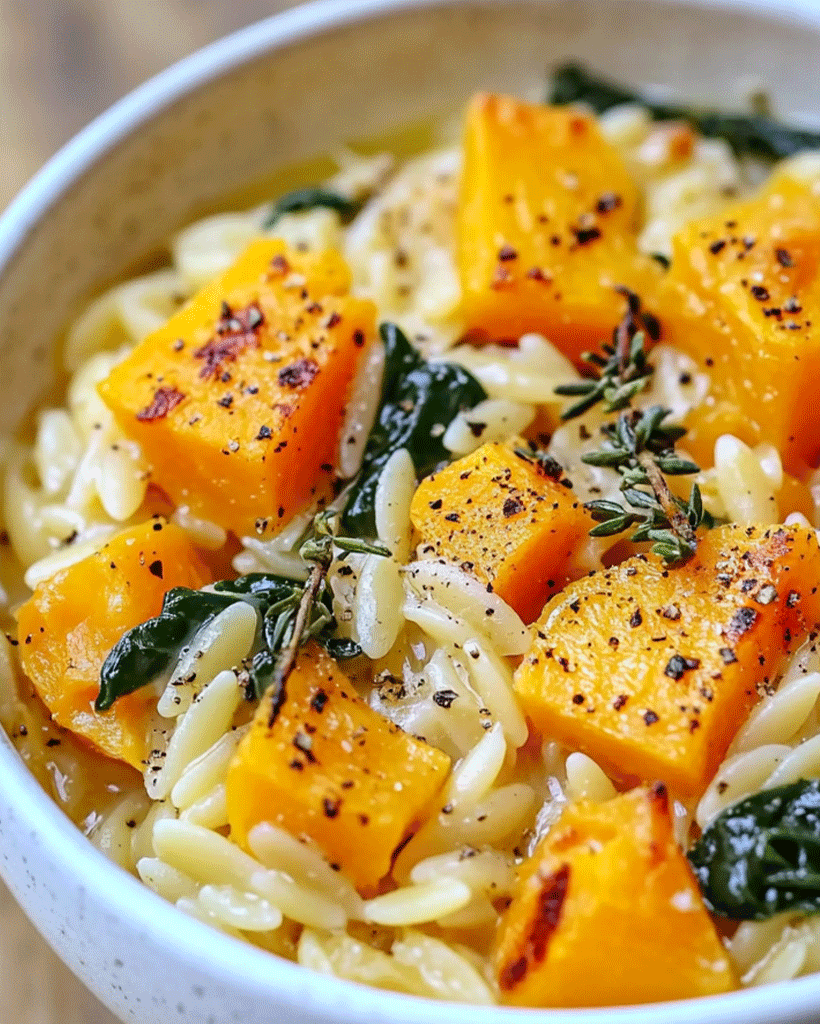
Small orzo pasta combines with roasted squash and spinach in a creamy finish. Unlike a smooth squash pasta sauce, this dish keeps pieces of the roasted vegetable visible. Choose it for a softer, spoonable dinner or serve a smaller portion beside a separately prepared protein. The pasta is orzo, despite its rice-like shape.
Key ingredients: Orzo, butternut squash, spinach, broth, cream, Parmesan and garlic seasoning.
Preparation note: Roast the squash and cook the orzo as separate components before combining. Check the source recipe card for quantities; the article text and card currently differ on the cream amount.
GET FULL CREAMY ORZO WITH BUTTERNUT SQUASH AND SPINACH RECIPE
5. Butternut Squash Sausage Pasta with Coconut Milk

Roasted squash is blended with coconut milk and broth to make the sauce for this sausage pasta. Spinach folds into the finished mixture, giving the bowl a different character from the chunky garlic-butter pasta below. Choose this version when you prefer a smooth sauce. Optional Parmesan changes the dairy content, so it should not be treated as automatically dairy-free.
Key ingredients: Roasted squash, Italian sausage, pasta, spinach, coconut milk, broth, onion and garlic.
Preparation note: Allow time for peeling, roasting and blending if starting with a whole squash. Follow safe venting and quantity limits when blending hot ingredients, especially in a countertop blender.
GET FULL BUTTERNUT SQUASH SAUSAGE PASTA WITH COCONUT MILK RECIPE
6. Autumn Sausage Pasta with Squash and Brussels Sprouts

Bow-tie pasta carries roasted squash, Brussels sprouts and sliced smoked sausage in a garlic-butter finish. It is the chunkier option in this collection: the vegetables remain distinct rather than becoming a purée. Choose it if browned edges and contrasting bites matter more to you than a creamy sauce. The sausage you choose will influence both flavor and dietary suitability.
Key ingredients: Butternut squash, Brussels sprouts, bow-tie pasta, smoked sausage, garlic, butter and paprika.
Preparation note: The sprouts have their own roasting stage. Plan around that stage rather than assuming the advertised short total includes peeling, chopping and all oven work.
GET FULL AUTUMN SAUSAGE PASTA WITH SQUASH AND BRUSSELS SPROUTS RECIPE
7. Spaghetti Squash Au Gratin

Cooked spaghetti squash separates into strands that are folded through a cheese sauce and baked under a browned topping. The appeal is the contrast between the soft interior and crisp surface. It can be a substantial side or the center of a lighter meal with vegetables. The sauce and topping contain more than squash, so this is not automatically a gluten-free or low-carbohydrate dish.
Key ingredients: Spaghetti squash, onion, garlic, milk, flour, Gruyère, cheddar, Parmesan and breadcrumbs.
Preparation note: Leave room in your schedule for roasting the squash, handling it, baking the casserole and resting it. Those are separate stages even when some sauce preparation overlaps.
GET FULL SPAGHETTI SQUASH AU GRATIN RECIPE
8. Cranberry-Glazed Roasted Butternut Squash Salad
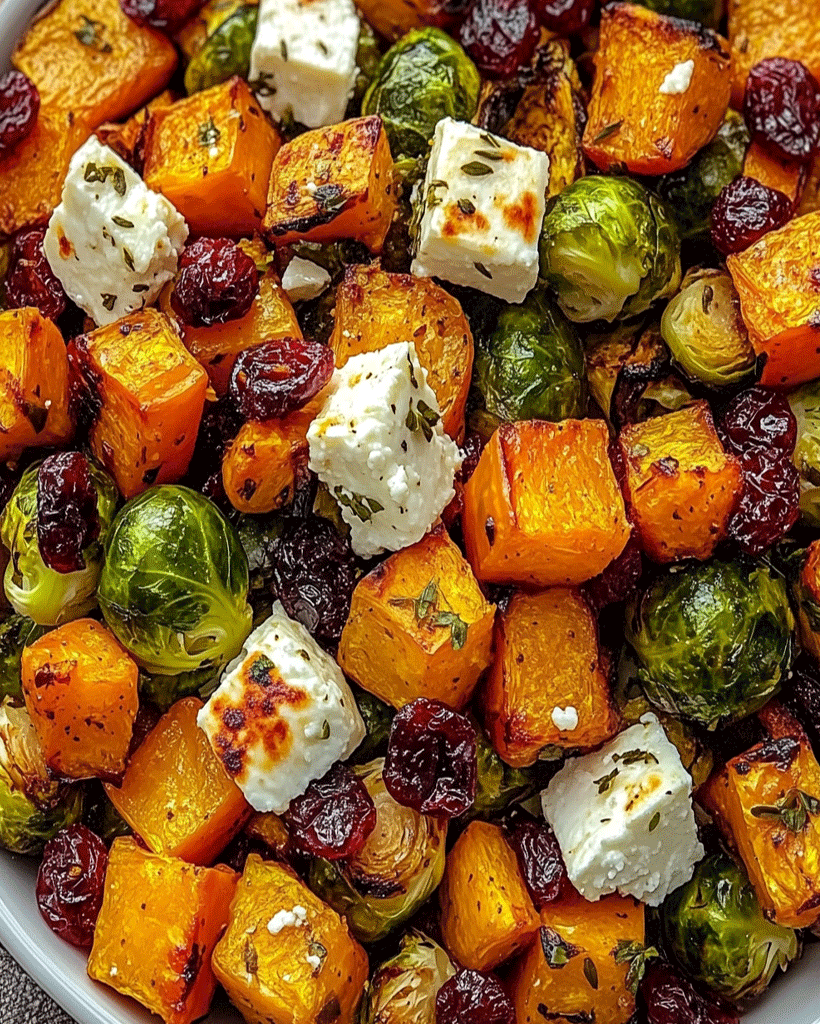
This warm salad combines roasted squash with Brussels sprouts and sweet potatoes, then adds cranberry glaze and goat cheese. It belongs on the savory table while keeping a noticeable sweet-tart accent. Choose it beside a simple main when you want a more varied side than plain roasted cubes. Keep the cheese distinct until serving if you prefer visible crumbles.
Key ingredients: Squash, Brussels sprouts, sweet potatoes, cranberry glaze, balsamic vinegar and goat cheese.
Preparation note: Spread the vegetables out for roasting and add the glaze after they are tender. For a make-ahead serving plan, keep glaze and cheese separate until reheating and assembly.
GET FULL CRANBERRY-GLAZED ROASTED BUTTERNUT SQUASH SALAD RECIPE
9. Maple Pecan Rosemary Acorn Squash

Fresh rosemary gives this maple-glazed acorn squash a savory herb note, making it a side for a dinner plate rather than a dessert. The flesh stays in its shell, with optional pecans adding texture. It is the sweetest side in this selection, so choose another dish if you prefer to avoid a maple-forward flavor.
Key ingredients: Acorn squash, butter, maple syrup, fresh rosemary and optional toasted pecans.
Preparation note: Check tenderness in the thick flesh near the edge of each half. Pecans are optional; check the full recipe before choosing the dish for someone avoiding nuts.
GET FULL MAPLE PECAN ROSEMARY ACORN SQUASH RECIPE
Choose the Right Squash Before You Start
Use butternut for cubes, purées and filled halves
For the recipes above, buy the form that matches your plan. A whole squash suits a stuffed presentation, peeled cubes reduce chopping for a pasta or soup, and prepared purée saves a roasting-and-blending stage for lasagna. Check whether a recipe’s weight refers to a whole vegetable or prepared flesh; those are different amounts.
Keep spaghetti squash for recipes designed around strands
Spaghetti squash is not a direct replacement for butternut purée. Its strand-like flesh and moisture behave differently in a sauce or filling. If you choose the gratin, follow that recipe’s treatment of the cooked strands instead of applying a butternut-sauce method.
Match size and quantity to the recipe
A large squash half takes longer to soften than small cubes. Similar-looking vegetables can also produce different amounts of prepared flesh. Buy by the recipe’s stated size or weight, then use its tenderness cues rather than relying only on the clock.
A Practical Cooking Plan
- Read the complete recipe first. Check whether the squash is raw, already roasted or already puréed, and whether pasta must be cooked separately.
- Prepare the slowest component first. Start roasting a whole half or a tray of vegetables while organizing sauce ingredients. Preheating and chopping still count toward the time you need.
- Use the correct method for each component. Roasting, simmering pasta and browning sausage accomplish different jobs. Combine them at the point specified by the recipe.
- Finish for the right texture. A filled squash half should be spoon-tender; a sauce should coat its pasta; a gratin should be hot through the center, not merely browned on top.
- Allow any resting period. A layered bake is easier to serve after its filling has settled. Do not treat resting as optional if you want neat portions.
Common Squash Cooking Problems and Simple Fixes
The squash browns before the center softens
Pieces may be too large or uneven. For a future batch, make the cuts more consistent. During cooking, check the center with a fork and continue until tender, reducing excessive surface browning as the individual recipe allows.
Roasted vegetables turn soft without browned edges
Crowding can trap moisture around the vegetables. Spread them out on the pan and use a second tray when needed. A deeper casserole dish is useful for a bake, but it will not give the same surface contact as a roasting tray.
The pasta sauce becomes too thick
Squash purée and pasta both affect consistency as the dish stands. If the recipe reserves pasta water or broth for loosening, add it gradually. Keep tasting and checking texture rather than pouring in a large unmeasured amount at once.
A stuffed squash half is difficult to scoop
The shell may look roasted while its thickest flesh is still firm. Check that area before adding filling. Filling a hard shell does not correct the underlying texture, and additional baking can dry the filling before the squash softens.
Serving Ideas for a Balanced Plate
Match the side to what is already in the dish. Sausage pasta, tortellini soup and lasagna include starch, so a fresh salad or a simply cooked green vegetable provides contrast. Stuffed squash can be served with a grain if you want a larger plate. A rich gratin works well in smaller portions beside a separately cooked main.
For more dinner inspiration, browse Homemade Corned Beef and Cabbage, Cowboy Butter Lemon Crispy Honey Garlic Chicken and Fried Rice in 40 min or Slow Cooker Garlic Butter Beef – Easy Pot Roast Meal. Keep recipe-specific portions separate from any sides you add.
Make-Ahead, Storage and Reheating Notes
Plan ahead by preparing components that hold their texture: measure seasonings, chop ingredients as appropriate and keep sauces or toppings separate when the recipe recommends it. A cooked sauce and freshly prepared pasta generally give you more control over consistency than storing everything already mixed.
Refrigerate cooked dishes in shallow containers within two hours, or within one hour when the surrounding temperature is above 90°F (32°C). Keep the refrigerator at 40°F (4°C) or below, use cooked leftovers within three to four days, and reheat them to 165°F (74°C). An oven time is only an estimate; a cold, deep casserole takes longer to heat through than a small portion.
Quality varies after storage. Tortellini absorbs broth, baked pasta becomes softer and a roasted salad loses some crispness. Keep glaze and cheese separate where practical. Freezing suitability depends on the complete recipe, especially cream sauces and cooked pasta; do not assume every squash dish freezes equally well.
Savory Squash Questions, Answered
Which squash is best for a creamy pasta sauce?
Butternut is the squash used for the blended pasta sauce in this collection. The roasted flesh blends into the liquid base. Spaghetti squash gives strands and is not a like-for-like purée substitute.
Can I use pre-cut butternut squash?
Yes, when the recipe calls for prepared cubes and the pieces suit its method. Check the prepared weight and cut size. A bag of cubes cannot replace whole squash halves when the presentation depends on a stuffed shell.
Are these squash recipes vegetarian?
Not all of them. Several contain sausage or chicken broth. For meat-free options, examine the lasagna, orzo, gratin and roasted salad, then check broth and cheese ingredients against your dietary needs.
Are creamy squash recipes automatically dairy-free?
No. A recipe can contain coconut milk and still include Parmesan, butter, cream or cheese-filled pasta. Check the complete ingredient list and optional toppings before choosing it for a dairy-free meal.
Does a squash-based casserole automatically qualify as gluten-free?
No. The complete dish may include flour, pasta, breadcrumbs or packaged ingredients containing gluten. Squash itself does not establish the dietary status of its sauce and topping.
What should I do when the advertised time seems too short?
Plan from the method: preparation, oven preheating, roasting, assembly, final cooking and resting. Some stages overlap, but they do not disappear. Follow tenderness and doneness checks rather than forcing the recipe into a short headline time.
Pick Your Next Squash Dinner
Choose a stuffed half for a plated main, a smooth sauce for pasta night or a soup when you want a bowl meal. For a shared table, the lasagna and gratin offer different baked textures. Open the full recipe that fits your plan, then check its ingredients and preparation stages before shopping.
Which recipe would you make first? Share your choice and any useful ingredient swaps in the comments.