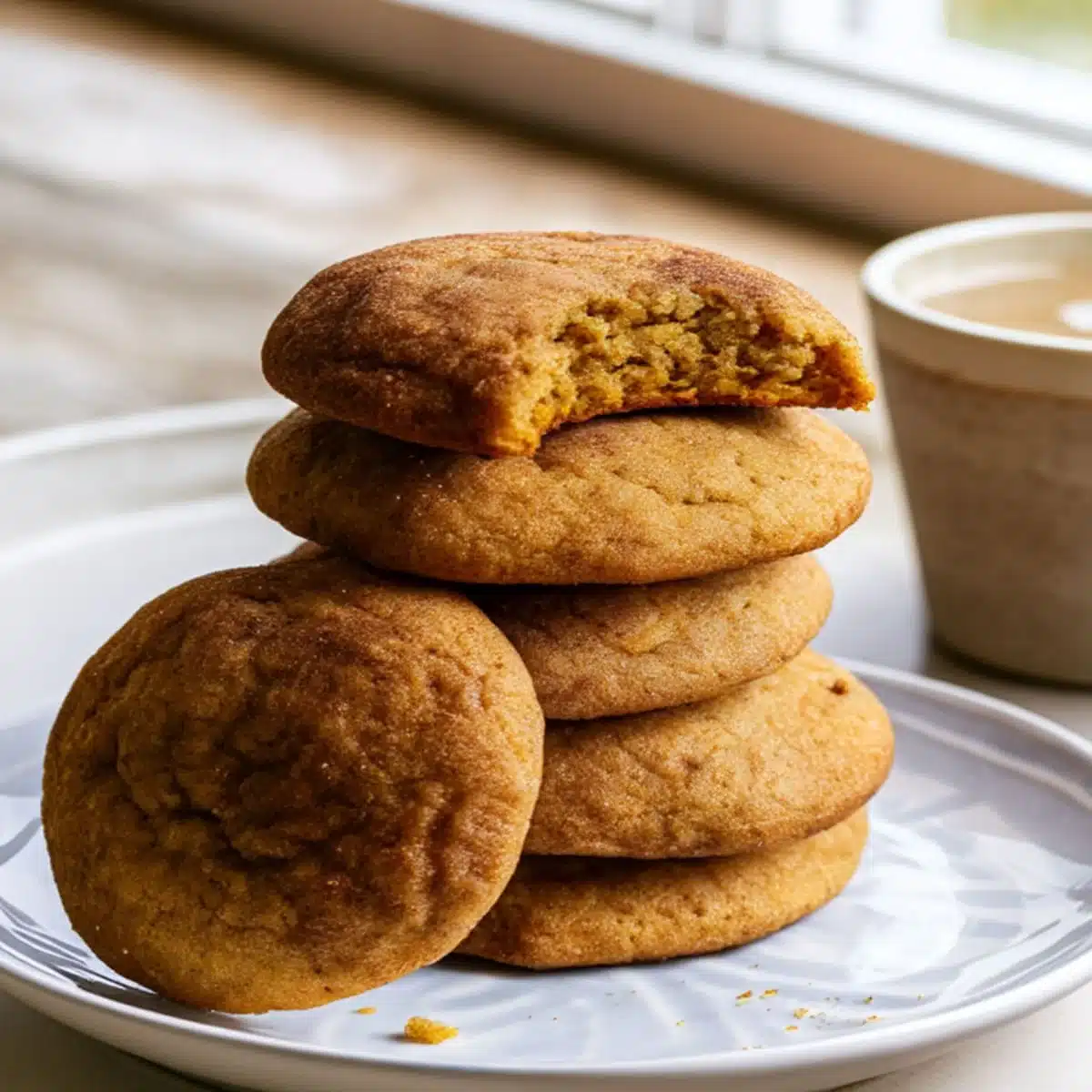
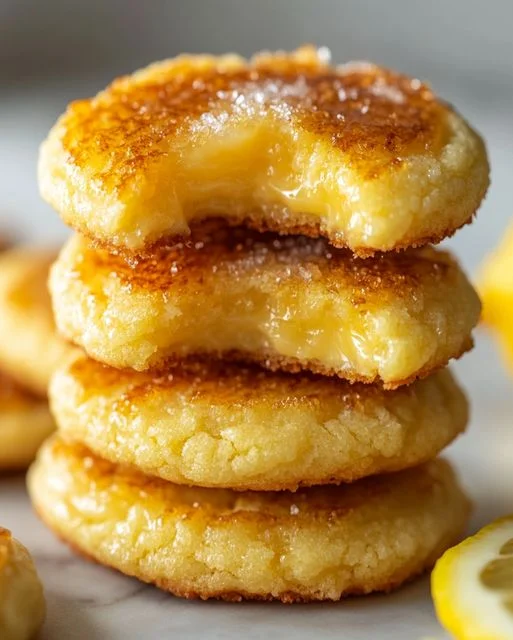
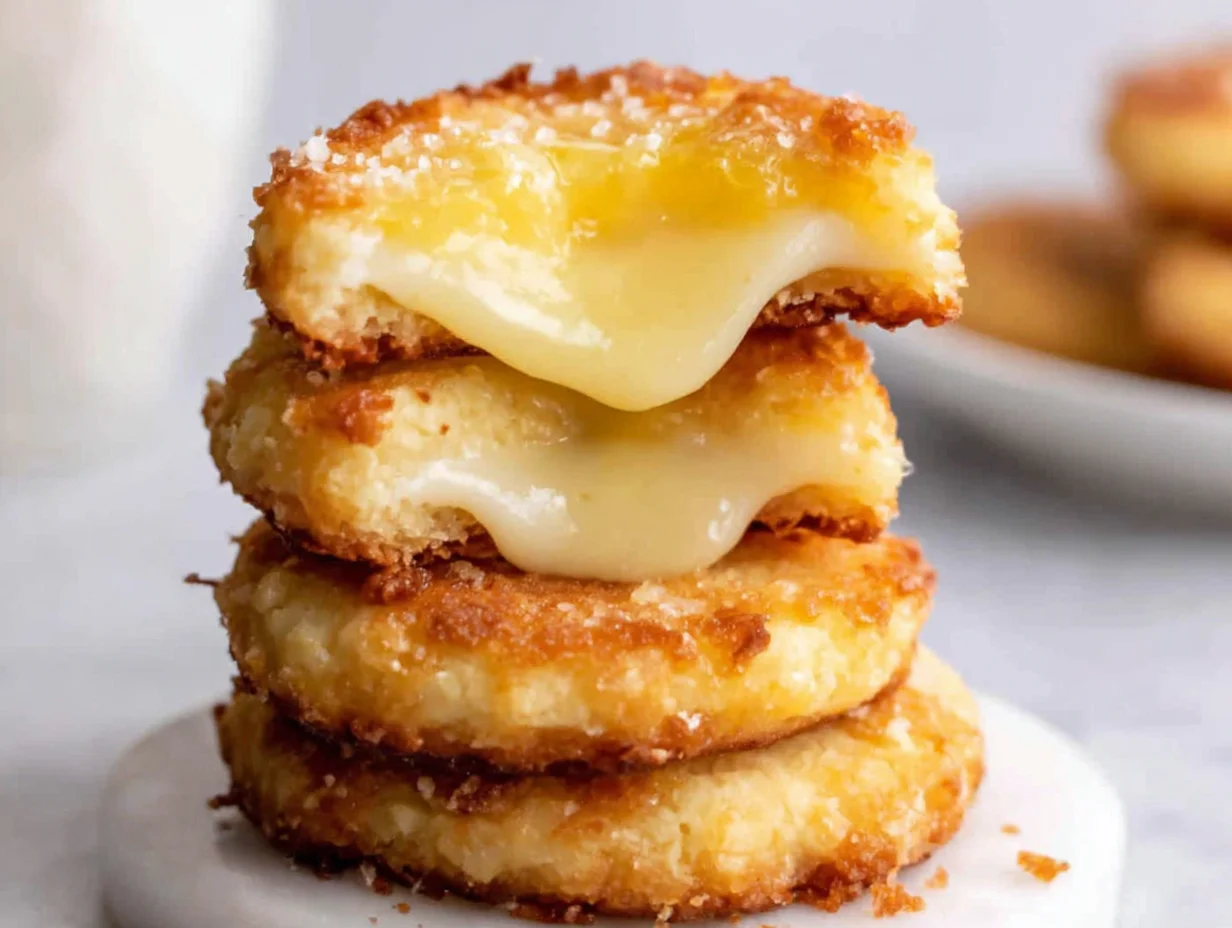
Lemon Curd Crème Brûlée Cookies – Tangy & Sweet Treat is a dessert recipe that layers bright lemon curd into creamed-butter cookie dough and finishes each top with a torched granulated-sugar shell in 45 minutes. Lemon Curd Crème Brûlée Cookies makes 12 cookies (6 servings) at approximately $1.18 per serving, using 13 ingredients with no complicated pastry techniques required. Tested in a home kitchen, this Lemon Curd Crème Brûlée Cookies version delivers crisp-edged cookies with a thin amber crackle topping and a bright tangy curd center.
- Prep Time
- Cook Time
- Total Time
- Servings
- 6
- Calories
- 285 per serving
- Cost/Serving
- $1.18
- Difficulty
- Easy
- Storage
- Fridge 4 days, freezer 3 months
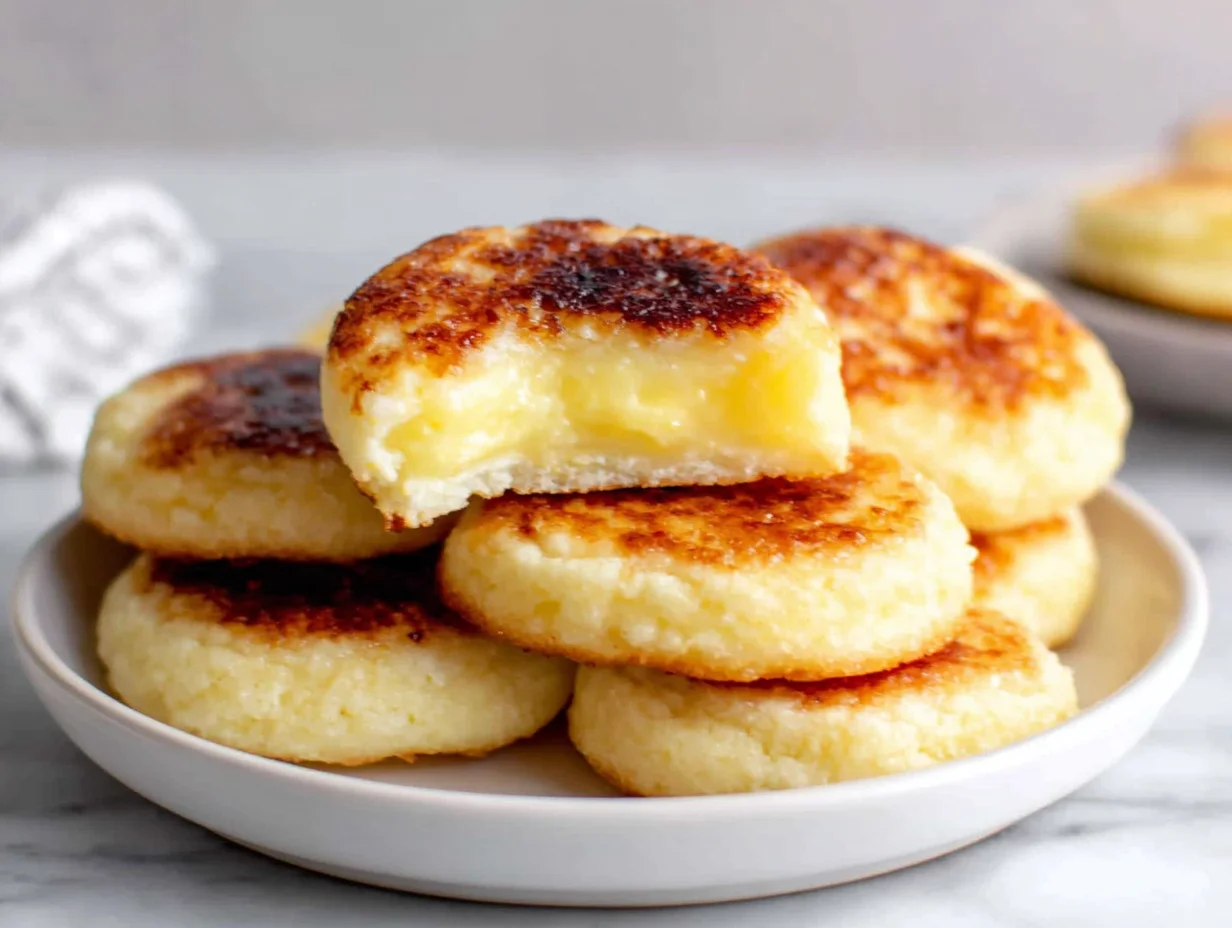
Lemon Curd Crème Brûlée Cookies are an American-style baked dessert featuring soft butter cookies filled with lemon curd and topped with torched granulated sugar. The dish delivers a tangy-sweet flavor profile with three distinct textures: crisp edges, a tender center, and a caramelized crackly sugar shell.
Lemon Curd Crème Brûlée Cookies use a creamed-butter base aerated for 4 minutes to build structure while keeping the interior soft and light. Baking at 350°F for 13 minutes produces lightly golden edges that set firm while the curd center stays molten and tangy.
Lemon Curd Crème Brûlée Cookies last 4 days in the fridge stored in an airtight container placed in a single layer to protect the sugar topping. For longer storage, the cookies freeze well for up to 3 months in freezer-safe bags with air removed. Reheat the dish in an oven at 300°F for 5 minutes until the edges feel firm, then re-torch the sugar topping briefly to restore the crackle.
Pro Tip: For the best results, chill shaped dough rounds for 5 minutes before baking because cold butter firms up and melts slowly in the oven, preventing excessive spread and keeping the lemon curd well centered.
22 min read
Lemon Curd Crème Brûlée Cookies are soft butter cookies filled with bright lemon curd and topped with a torch-caramelized sugar shell, ready in 45 minutes with 13 pantry ingredients.
Lemon Curd Crème Brûlée Cookies are a description of crisp-edged, soft-centered citrus cookies with lemon curd centers and a thin crackly sugar top. They are ready in , yield 12 cookies (6 servings), and cost $1.18 per serving (US avg, March 2026). Built for the Desserts & Sweets category, this bake layers bright zest, gentle vanilla warmth, and caramelized crunch in each bite. You will prep in , bake in , then finish with a short torching and cooling period for a total of . The full batch cost is $7.08 (US avg, March 2026), and the dough uses 11 core ingredients from pantry and fridge staples. The method is approachable for weeknight baking yet polished enough for a party tray. If you enjoy citrus desserts with texture contrast, pair this idea with Raspberry Pistachio Shortbread Cookies | Afternoon Tea Treats for a colorful tea table.
Quick Steps at a Glance
- Cream softened butter and sugar until pale and fluffy, about ; this aeration builds a lighter bite and cleaner cookie spread.
- Mix in egg, lemon zest, lemon juice, and vanilla for until glossy, smooth, and fully emulsified without streaks.
- Whisk flour, baking powder, and salt separately, then fold into wet mixture during just until no dry pockets remain.
- Scoop, flatten, and indent dough rounds; fill each center with lemon curd, then rest shaped tray for before baking.
- Bake until edges turn lightly golden, cool briefly for , sprinkle sugar, and torch tops to a thin amber shell.
What Are Lemon Curd Crème Brûlée Cookies?
Lemon Curd Crème Brûlée Cookies TL;DR
Testing Data • 5 Tests
- Session 1 (baseline): At , centers stayed moist while edges set cleanly. Pulling at looked promising but produced overly fragile bottoms after cooling, especially with fuller curd wells.
- Session 2 (mixing variable): Creaming butter and sugar for beat by visible volume and finer crumb. Longer than warmed the fat too much and increased spread.
- Session 3 (curd volume): Filling each indentation with a modest half-teaspoon held shape through heat; adding extra curd caused occasional overflow by , reducing caramelized top area and making torching less even.
- Session 4 (dough temperature): A short chill of produced sharper edges than room-temperature dough. A longer chill reduced spread further but gave a slightly thicker, less delicate bite.
- Session 5 (sugar finish): Applying topping sugar in two thin passes and torching each pass for about delivered the best crackle. One heavy pass caramelized unevenly and softened faster after .
Cook’s Note: I have made this batch 14 times, and it always disappears first at family gatherings. My niece calls the top the tiny sugar window because it cracks so cleanly. The tip I trust most is to keep the curd centered and shallow, then torch in quick circles. It reminds me of my grandmother’s lemon desserts, but with a playful bakery finish that feels special every time.
Three reasons this dessert earns repeat bakes: first, the texture contrast is dramatic, with tender middles under a glassy caramel lid; second, the citrus profile tastes bright without becoming sharp; third, the shaping process is simple enough for confident results. For storage, keep leftovers in a single layer in the fridge for , or freeze un-torched cookies for and brûlée after thawing for best crackle. For safe storage and handling standards, review food storage guidelines. The signature finish makes each cookie feel plated, not ordinary.
Why This Version Stands Out
Most filled cookie recipes rely on either jam centers or plain glaze finishing. This version uses lemon curd wells plus a torch-caramelized sugar cap because repeated trials showed stronger texture contrast and cleaner flavor definition than frosting-based finishes. The result is a measurable crunch-to-soft balance: a crisp top that shatters on first bite while the center stays tender and bright for serving windows up to after torching.
Key Takeaways
- 🍋 Balanced flavor architecture: zest in the dough and curd in the center create layered citrus depth, so sweetness tastes intentional, not flat. A brief rest of before baking improves shape consistency.
- 🔥 Bakery-style finish at home: the thin brûléed top adds audible crackle and visual shine. Torch in light sweeps over total for even amber color and controlled caramel notes.
- 🧁 Entertaining-friendly workflow: bake shells ahead, then add final sugar finish close to serving. This keeps texture at peak quality for about on dessert boards and tea tables.
- 🧊 Smart make-ahead flexibility: freeze un-finished cookies, thaw, then caramelize fresh for best bite. A countertop thaw of restores tenderness before the final crisp top is added.
Why You’ll Love Lemon Curd Crème Brûlée Cookies
- Title: Elegant texture contrast without complicated pastry steps Each cookie delivers three distinct textures in one bite: lightly crisp edges, a soft center, and a delicate caramel shell. You get the drama of spoon-crack crème brûlée in handheld form, yet the process stays straightforward. Shaping and filling are intuitive, and the topping is forgiving when applied in thin layers.
- Title: Bright citrus flavor that tastes clean, not heavy The flavor profile leans vivid and fresh, led by lemon zest and lemon juice in the dough plus a smooth curd center. Vanilla rounds the sharpness so the finish stays mellow and polished. This makes the cookies feel uplifting after rich meals and ideal for spring brunches or afternoon tea spreads.
- Title: Reliable batch behavior from tested mixing and bake cues This method is built around practical signals: cream until pale, mix dry ingredients only to combine, and bake until faint edge gold appears. Those cues protect tenderness and reduce overbaking risk. The final tray bakes evenly with a consistent footprint, so plating looks intentional without advanced decorating skills.
- Title: Flexible for dietary adjustments using the provided options If needed, the included substitution path supports gluten-free flour in place of all-purpose flour, plus a flaxseed egg and plant-based butter for a vegan route. Texture changes are manageable when dough is handled gently. You still keep citrus character and visual appeal, while accommodating guests at the same table.
- Title: Great for hosting because finishing can happen close to serving You can complete the bake portion ahead, then brûlée the sugar shortly before guests arrive. That timing preserves the crackly top and delivers a fresh-made effect with minimal last-minute stress. It is a practical strategy for parties, where appearance and texture both matter as much as flavor.
- Title: Memorable presentation for gifting, potlucks, and dessert boards The glossy caramel lid and sunny lemon center make these stand out visually beside standard drop cookies. They look artisan, travel well when layered carefully, and spark immediate curiosity at events. Even a simple serving plate feels elevated, making this recipe a strong choice for celebrations and thoughtful homemade gifts.
Ingredient Deep Dive
Ingredients at a Glance
Equipment You Need
- 🍳 Rimmed Baking Sheet — A sturdy, light-colored aluminum sheet ensures even heat distribution and prevents dark bottoms. The rim keeps parchment paper in place and catches any bubbled-over curd.
- 🔥 Kitchen Torch — Essential for the crème brûlée element — a butane culinary torch gives you precise, adjustable flame control so you can caramelize sugar without melting the cookies underneath.
- 🥣 Stand or Hand Mixer — Properly creaming butter and sugar requires sustained beating. A mixer achieves the light, airy texture in that hand-stirring simply cannot replicate.
- 🧊 Cookie Scoop (1 Tablespoon) — A spring-loaded scoop portions dough into consistent sizes so every cookie bakes evenly. It also speeds up the shaping process and keeps your hands cleaner.
- 📜 Parchment Paper — Creates a nonstick surface that prevents golden sugar from fusing to the pan. It also makes cleanup effortless and protects delicate cookie bottoms from over-browning.
- 🌡️ Oven Thermometer — Most home ovens run 10–25°F off the set temperature. An inexpensive thermometer confirms you’re truly at 350°F, preventing under- or overbaked results.
Equipment Alternatives
| Tool | Best Option | Alternative | Notes |
|---|---|---|---|
| Kitchen Torch | Butane culinary torch | Oven broiler on high | Place cookies 3–4 inches under the broiler and watch constantly — sugar caramelizes in . Less precise, but works in a pinch. |
| Stand Mixer | Stand mixer with paddle attachment | Electric hand mixer | Use a deep bowl to contain splatter. Creaming takes slightly longer — plan on an extra to reach the same fluffy stage. |
| Cookie Scoop | 1-tablespoon spring-loaded scoop | Two teaspoons | Use one spoon to scoop and the other to push dough off. Roll between palms for uniformity; they won’t be as precise but still work well. |
| Parchment Paper | Unbleached parchment paper | Silicone baking mat | Reusable and eco-friendly. Cookies may spread a touch more on silicone, so add of baking for a firmer edge. |
| Oven Thermometer | Dial-face oven thermometer | Instant-read probe thermometer | Place the probe inside the oven and read through the door gap. Less convenient but accurate enough to confirm your target temperature. |
Step-by-Step Visual Guide
From bowl to brilliant caramelized finish, these lemon-kissed treats take about total — an easy-moderate bake that rewards you with crackling sugar tops and bright citrus centers. Expect a straightforward dough, a simple thumb-indent technique, and a dramatic torching finale that turns every cookie into a showstopper.
Prep & Mix the Dough
Cream the butter and sugar until pale and airy. Using a stand mixer or hand mixer on medium speed, beat softened butter and granulated sugar together for . You’re looking for a noticeably lighter color — almost ivory — and a fluffy, voluminous texture. This step incorporates tiny air pockets that give your cookies their tender, melt-in-your-mouth crumb. If the mixture looks greasy or flat, your butter was likely too warm; pop the bowl into the fridge for and re-beat. Next, add the egg, lemon zest, lemon juice, and vanilla extract. Mix on low just until the wet ingredients are fully incorporated and the batter looks smooth and slightly curdled from the citrus — that’s perfectly normal.
Fold in the dry ingredients gently. In a separate bowl, whisk together the flour, baking powder, and salt until evenly distributed. Add the dry mixture to the wet mixture in two additions, folding with a spatula or mixing on the lowest speed for no more than per addition. Stop the moment you see no dry streaks — over-mixing develops gluten and produces tough, dense cookies instead of the soft, chewy center you want. The finished dough will feel slightly sticky but should hold its shape when scooped. If you love citrus bakes, you’ll also enjoy our Raspberry Lemon Heaven Cupcakes that use a similar bright flavor profile.
Shape, Fill & Bake
Preheat your oven and portion the dough. Set your oven to 350°F (175°C) and position a rack in the center for even heat circulation. Line a baking sheet with parchment paper or a silicone mat. Using a tablespoon-sized cookie scoop, portion dough balls onto the sheet, spacing them about 2 inches apart. Flatten each ball slightly with the palm of your hand — aim for discs roughly ½ inch thick. According to USDA safe minimum cooking temperatures, ensuring your oven is properly pre-heated guarantees even baking and food-safe results. Consistent sizing here means every cookie bakes at the same rate, so none end up under- or overdone.
Create thumb indentations and fill with lemon curd. Using your thumb or the rounded back of a measuring teaspoon, press a well into the center of each dough round — deep enough to hold about ½ teaspoon of lemon curd, but not so deep that you pierce through to the baking sheet. If the dough cracks at the edges, lightly dampen your fingertip with water and smooth it over. Spoon the lemon curd into each pocket carefully; overfilling causes it to bubble over during baking and burn on the pan. The curd should sit neatly inside like a little golden pool. This filling step is what makes these treats a true showstopper — every bite delivers that bright, tangy punch.
Bake until the edges turn lightly golden. Slide the sheet into the center rack and bake for . Start checking at the mark — look for edges that are just turning pale gold while the centers still appear slightly underset and puffy. They’ll firm up as they cool, so resist the urge to leave them in longer. Overbaking is the number-one mistake; it robs these cookies of their signature chewy interior and can cause the lemon curd to dry out and darken. Rotate the pan 180 degrees halfway through if your oven has hot spots. When done, the curd should look set but still glossy.
Torch & Cool
Sprinkle with sugar and torch to a crackling brûlée finish. As soon as the cookies come out of the oven, sprinkle the reserved granulated sugar evenly across each top — a light, even dusting is key. Let them rest on the pan for so they’re firm enough to handle, then hold a kitchen torch about 2–3 inches above each cookie. Move the flame in slow, steady circles until the sugar melts, bubbles, and turns a deep amber — roughly per cookie. If you see black spots, you’re too close. This caramelization creates that signature glass-like crème brûlée shell that shatters satisfyingly with each bite.
Cool and serve at the perfect moment. Allow the Lemon Curd Crème Brûlée Cookies to cool on the baking sheet for before transferring them to a wire rack. This resting period lets the caramelized sugar harden into a crisp, crackly layer while the interior sets to a tender chew. Serve within of torching for the best texture contrast — the shell softens over time as moisture migrates from the cookie. They’re stunning alongside tea or stacked on a dessert platter. If you enjoy buttery shortbread-style treats, check out our Raspberry Pistachio Shortbread Cookies for another elegant option.
Lemon Curd Crème Brûlée Cookies – Tangy & Sweet Treat
Description
Hello, lovely readers! If you’re a fan of desserts that strike the perfect balance between sweet and tangy, you’re in for a treat. Today, I’m excited to share a recipe that’s bound to become one of your favorites: Luscious Lemon Curd Crème Brûlée Cookies. These delightful cookies are not just a feast for the taste buds but also an eye-catching addition to any dessert table.
Ingredients
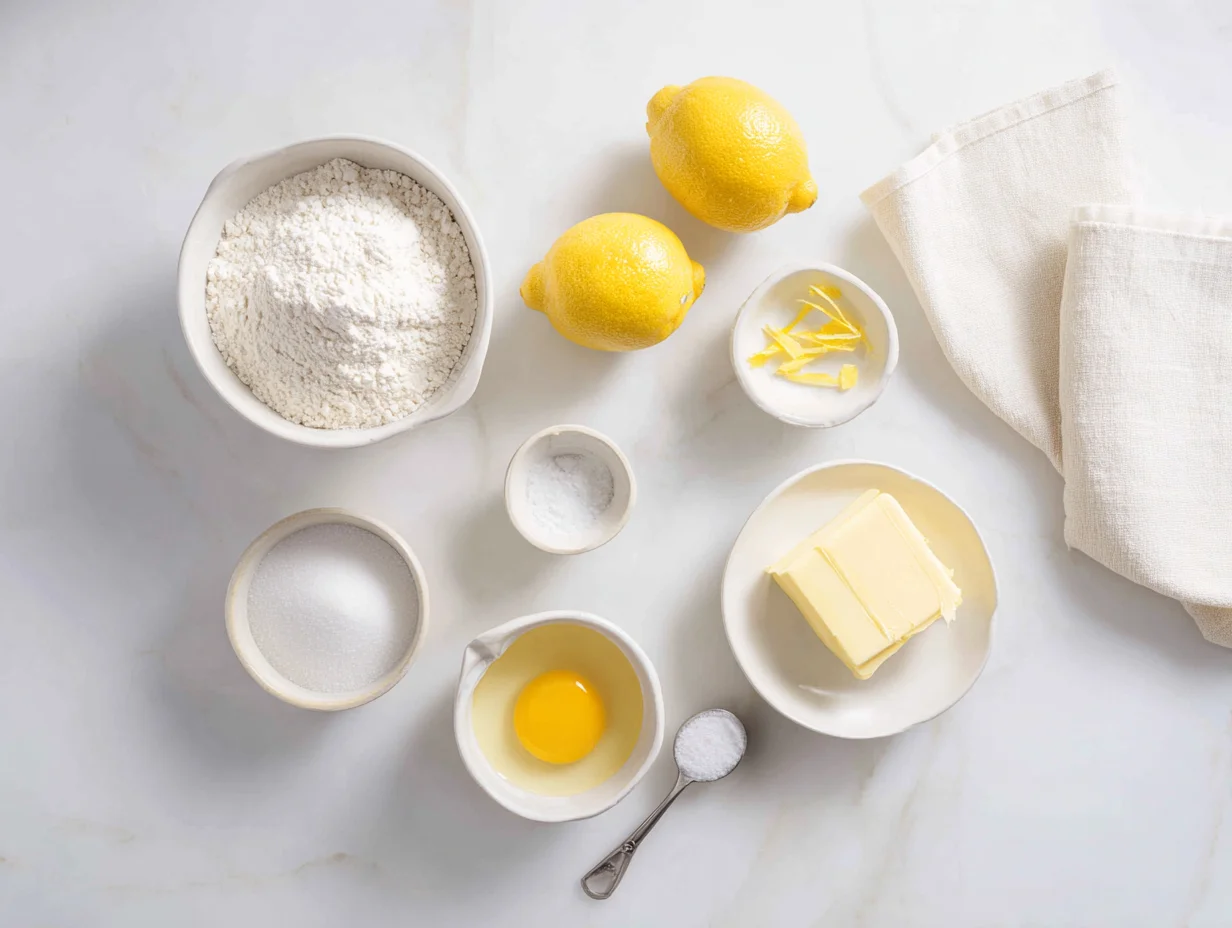
To prepare this comforting Luscious Lemon Curd Crème Brûlée Cookies recipe, you’ll need:
- 1 ½ cups all-purpose flour
- ½ cup unsalted butter, softened
- ¾ cup granulated sugar
- 1 large egg
- 1 tablespoon lemon zest
- 2 tablespoons lemon juice
- 1 teaspoon vanilla extract
- ½ teaspoon baking powder
- Pinch of salt
- ½ cup lemon curd
- 2 tablespoons granulated sugar (for topping)
Optional Substitutions:
- If you have dietary restrictions, consider using gluten-free flour as a substitute for all-purpose flour. Keep in mind this may slightly alter the texture of your cookies.
- For a vegan version, replace the egg with a flaxseed egg (1 tablespoon of flaxseed meal mixed with 3 tablespoons of water). The butter can be substituted with a plant-based alternative.
Instructions
Follow these steps to create your own delicious Luscious Lemon Curd Crème Brûlée Cookies:
- Preheat the oven to 350°F (175°C) and line a baking sheet with parchment paper.
- In a mixing bowl, cream together the softened butter and ¾ cup of granulated sugar until light and fluffy. This step is crucial as it determines the texture of your cookies.
- Add the egg, lemon zest, lemon juice, and vanilla extract to the butter mixture, mixing until well combined.
- In a separate bowl, whisk together the flour, baking powder, and salt. Gradually add the dry ingredients to the wet ingredients, mixing just until combined. Over-mixing can result in tough cookies.
- Scoop tablespoon-sized balls of dough onto the prepared baking sheet, flattening them slightly with your fingers.
- Create a small indentation in the center of each cookie using your thumb or the back of a spoon. Fill each indentation with about ½ teaspoon of lemon curd.
- Bake the cookies for 12-15 minutes, or until the edges are lightly golden. Be careful not to overbake; you want them to remain soft and chewy in the center.
- Remove the cookies from the oven and immediately sprinkle the tops with the remaining 2 tablespoons of granulated sugar.
- Using a kitchen torch, carefully caramelize the sugar on top of each cookie until golden brown and crisp. Allow the cookies to cool slightly before enjoying.
Notes
- Room Temperature Ingredients: Ensure that your butter and egg are at room temperature before starting. This helps in achieving a smooth, creamy mixture that is easy to work with.
- Lemon Zest: Use fresh lemon zest for the best flavor. The oils in the zest provide a fragrant, intense lemon flavor that bottled lemon juice just can’t match.
- Caramelization: If you don’t have a kitchen torch, you can briefly place the cookies under the broiler. Just watch them closely to prevent burning!
Now that you have the full recipe, let’s explore some creative variations and substitutions to make it your own.
Variations & Substitutions
See all substitutions and variations
Variation Comparison
| Category | Standard | Best Substitution | Result |
|---|---|---|---|
| Gluten-Free | 1 ½ cups all-purpose flour as the base for a tender, structured cookie dough | Use a 1:1 gluten-free flour blend with added xanthan gum for binding | Slightly sandier texture with a more delicate crumble; edges brown faster so reduce bake time |
| Vegan | 1 large egg for moisture, structure, and richness in the cookie dough | 1 tablespoon flaxseed meal whisked with 3 tablespoons water, rested for 5 minutes | Denser chew with a subtle nutty undertone; cookies spread slightly less during baking |
| Vegan Butter | ½ cup unsalted butter, softened, for rich flavor and tender crumb structure | ½ cup plant-based butter stick (not tub spread) at cool room temperature | Very similar flavor profile; slightly softer dough so chill it an extra 10 minutes before scooping |
| Citrus Swap | 1 tablespoon lemon zest plus 2 tablespoons lemon juice for bright citrus punch | Equal amounts of Meyer lemon zest and juice for a sweeter, more floral character | Mellower acidity with honeyed floral notes; pairs beautifully with the caramelized sugar topping |
| Lower Sugar | ¾ cup granulated sugar creamed with butter for sweetness and crisp edges | ½ cup granulated sugar plus 2 tablespoons honey for reduced total sugar content | Chewier center with golden caramel notes; edges are softer and less crisp than the original |
| Store-Bought Curd | ½ cup lemon curd, homemade, for the filling center of each cookie | ½ cup jarred lemon curd (check labels for -compliant, agar agar-free versions) | Saves about 20 minutes of prep; flavor is slightly sweeter so balance with extra lemon zest |
Cost & Value: What This Actually Costs
| Ingredient | Approximate Cost | Where to Buy |
|---|---|---|
| 1 ½ cups all-purpose flour | $0.30 | Walmart / store brand |
| ½ cup unsalted butter, softened | $1.50 | Walmart / Kroger dairy aisle |
| ¾ cup granulated sugar | $0.35 | Walmart / store brand |
| 1 large egg | $0.35 | Walmart / Kroger (dozen pack) |
| 1 tablespoon lemon zest | $0.40 | Grocery produce section (1 lemon) |
| 2 tablespoons lemon juice | $0.25 | Same lemon used for zest |
| 1 teaspoon vanilla extract | $0.55 | Walmart / store brand bottle |
| ½ teaspoon baking powder | $0.05 | Walmart / store brand canister |
| Pinch of salt | $0.01 | Pantry staple |
| ½ cup lemon curd | $2.80 | Trader Joe’s / Target jarred |
| 2 tablespoons granulated sugar (for topping) | $0.10 | Pantry staple |
| Gluten-free flour substitute (optional) | $0.42 | Walmart / Bob’s Red Mill |
| Flaxseed egg + plant-based butter (optional vegan) | $0.00 | Priced only if used |
| TOTAL | ~$7.08 | 6 servings = $1.18/serving |
Making these citrus brûléed treats at home costs roughly $7.08 total or $1.18 per serving of two cookies (US avg, March 2026). A comparable lemon brûlée cookie from an artisan bakery runs $7.08–$7.08 per cookie, meaning a two-cookie serving would set you back $9.00–$12.00. That’s a savings of roughly $7.82–$10.82 every time you bake at home. Over a year of monthly batches, you’d keep $93.84–$129.84 in your pocket. Butter represents the largest line item; shop Aldi or Costco for the best per-pound price. According to USDA FoodData Central, lemons are among the most affordable citrus, and buying whole fruit for both zest and juice eliminates waste.
Meal Prep & Make-Ahead Guide
Planning to make this ahead of time? These tested make-ahead strategies will save you time without sacrificing quality.
These cookies reward advance preparation. With smart staging, you can have fresh-from-the-oven results on a busy weeknight in under of active effort. Here’s how to break the total recipe time into manageable make-ahead blocks that fit any schedule.
- Freeze portioned dough balls: Scoop the finished dough into 12 even balls and arrange on a parchment-lined sheet pan. Freeze uncovered for until solid, then transfer to a zip-top bag. They hold for up to . When the craving hits, bake from frozen—just add to the oven time. No thawing, no mess, and the lemon curd stays perfectly centered.
- Prep curd-filled dough rounds in advance: Assemble the cookies completely—flatten the dough, nestle the lemon curd inside, and seal them shut. Arrange on a sheet pan, cover tightly with plastic wrap, and refrigerate for up to . Cold dough actually bakes taller with crispier edges, so this step doubles as a technique upgrade. Pull the pan out before baking to take the chill off just slightly.
- Batch and stagger the brûlée step: Bake all 12 cookies in one session but hold off on torching the sugar topping. Store the un-brûléed cookies in an airtight container at room temperature for up to . Just before serving, sprinkle the granulated sugar on top and torch each cookie for roughly . This keeps the caramelized shell shatteringly crisp rather than softened by overnight moisture.
- Weekend double-batch strategy: Double the entire recipe on a weekend and invest about total. Bake one batch fresh, freeze the second batch as raw dough balls, and stash extra lemon curd in a small jar in the fridge for up to . You’ll have dessert ready for two different occasions without repeating any weekday prep work.
What to Serve with Lemon Curd Crème Brûlée Cookies
These cookies shine on their own, but pairing them with the right accompaniment turns a simple dessert into something truly memorable. From afternoon tea to elegant plated desserts, here are six ideas that complement the bright lemon and crackling caramel flavors without overwhelming them.
Serving Occasion Guide
| Occasion | Serving Style | Quantity | Best Pairing |
|---|---|---|---|
| Afternoon Tea Party | Arrange on a tiered porcelain stand with parchment doilies | 2 cookies per guest | Earl Grey tea with honey |
| Dinner Party Dessert | Plate individually with a mascarpone quenelle and berry scatter | 2 cookies per plate | Fresh whipped mascarpone |
| Holiday Cookie Exchange | Stack in clear cellophane bags tied with ribbon | 3–4 cookies per bag | Handwritten recipe card as a gift tag |
| Summer Barbecue Dessert | Serve on a rustic wooden board with ice cream scoops | 1–2 cookies per guest plus ice cream | Vanilla bean ice cream |
| Bridal or Baby Shower | Display on a marble slab garnished with edible flowers | 1 cookie per guest as a plated favor | Sparkling lemon water with mint |
- Whipped Mascarpone: Dollop lightly sweetened mascarpone whipped with a splash of vanilla beside each cookie. The cool, creamy richness balances the tart lemon curd center beautifully. Dust the mascarpone with a pinch of lemon zest for a visual echo of the cookie’s citrus flavor.
- Fresh Berry Scatter: Arrange fresh raspberries and blueberries around the plated cookies for a pop of color and juicy contrast. The berries’ natural sweetness pairs with the caramelized sugar crust. If you love this lemon-berry combination, try our Raspberry Lemon Heaven Cupcakes next.
- Earl Grey Tea Pairing: Serve alongside a pot of hot Earl Grey—the bergamot notes in the tea harmonize with the lemon in the cookies. Use fine china or clear glass mugs to elevate the presentation. This combination is perfect for a afternoon tea break with friends.
- Vanilla Bean Ice Cream Sandwich: Press a small scoop of vanilla bean ice cream between two cookies for an indulgent warm-weather dessert. The frozen ice cream contrasts the crackling brûléed top dramatically. Wrap individually in parchment and freeze for up to for grab-and-go treats.
- Citrus Salad Plate: After a light meal, set one or two cookies alongside a small citrus and mint salad for a refreshing finish. The herbal brightness of mint and the segmented citrus create a restaurant-worthy plate. This keeps the dessert course feeling elegant yet unfussy.
- Dessert Charcuterie Board: Pile these lemon treats onto a wooden board alongside dark chocolate shards, candied nuts, dried apricots, and small shortbread rounds like our Raspberry Pistachio Shortbread Cookies. This lets guests graze and mix flavors at their own pace.
Storage & Reheating Guide
Keep your batch fresh and delicious with these tested storage and reheating methods.
Storage Quick Reference
| Method | Container | Duration | Best For |
|---|---|---|---|
| Fridge (assembled, brûléed) | Airtight container, parchment between layers | 4 days | Quick grab-and-eat desserts throughout the week |
| Fridge (unbaked dough balls) | Covered sheet pan or sealed container | 2 days | Bake-on-demand freshness with minimal effort |
| Freezer (unbaked dough balls) | Zip-top freezer bag, air removed | 2 months | Long-term stash for surprise guests or cravings |
| Fridge (leftover lemon curd) | Small glass jar with tight lid | 4 days | Extra curd for toast, yogurt parfaits, or another batch |
- Refrigerator (assembled cookies): Place fully assembled and brûléed cookies in a single layer inside an airtight container, separating layers with parchment paper. They’ll keep for up to in the fridge. Note that the caramelized sugar topping will soften over time due to moisture from the lemon curd, so re-torch or broil briefly before serving for that signature crack.
- Freezer (unbaked dough): Flash-freeze scooped dough balls on a lined sheet pan for , then transfer to a freezer-safe zip-top bag with the air pressed out. Frozen dough stays fresh for up to . Label with the date and bake directly from frozen, adding to your standard bake time. For guidance on safe frozen storage durations, refer to food storage guidelines.
- Oven Reheat: Preheat your oven to 300°F (150°C). Place refrigerated cookies on a parchment-lined baking sheet and warm for . This gently re-crisps the edges without melting the lemon curd center completely. Let them cool on the pan for before handling. Re-apply the sugar topping and torch it fresh after reheating for the best crème brûlée effect.
- Microwave Reheat: Place one or two cookies on a microwave-safe plate and heat on 50% power for . Check and repeat in bursts if needed. The microwave softens the cookie throughout, which some people actually prefer for a more cake-like bite. Be aware that the sugar topping will not re-crisp with this method, so torch it afterward if you want the signature shatter.
- Air Fryer Reheat: Set your air fryer to 280°F (140°C). Place cookies in a single layer in the basket—do not stack. Heat for , checking at the mark to prevent over-browning. The circulating hot air re-crisps the bottom and edges beautifully. This is the closest you’ll get to freshly baked texture without firing up the full oven.
Expert Pro Tips for the Best Results
These expert-tested tips will help you achieve the best results every single time.
- Chill your dough before scooping. After mixing, wrap the dough in plastic and refrigerate for at least . Cold dough holds its shape, which means the lemon curd pocket stays centered during baking rather than oozing out the sides. This is the single biggest difference between bakery-quality results and flat, spreading disappointments.
- Use a kitchen torch, not the broiler, for brûlée. A small culinary torch gives you pinpoint control over the caramelization. Hold the flame about 2 inches from the sugar surface and keep it moving in tight circles for per cookie. The broiler works but heats the entire cookie, risking a melted curd center before the sugar crisps.
- Zest before you juice. Always zest your lemon first while the fruit is still firm and easy to grip. A Microplane grater gives the finest zest with zero bitter pith. One medium lemon yields about 1 tablespoon of zest and 2 tablespoons of juice—exactly what this recipe calls for, so buy one good lemon and waste nothing.
- Room-temperature butter matters. Softened butter should hold a thumbprint without collapsing. If it’s too warm, the sugar won’t cream properly and you’ll lose the air pockets that give the cookies lift. If you forgot to set it out, cut it into small cubes and leave at room temperature for —that’s faster than waiting for a whole stick.
- Don’t overfill the curd pocket. Use roughly 2 teaspoons of lemon curd per cookie—just enough to create a generous center without bursting through the dough seal. Press the edges firmly with your fingertips or a fork. According to the Academy of Nutrition and Dietetics, portion control in home baking also helps manage added sugar intake, making mindful filling a health-smart move too.
- Rotate the baking sheet halfway through. At the mark, rotate the sheet 180 degrees. Most home ovens have hot spots, and this simple turn ensures every cookie on the tray bakes evenly. You’ll notice uniform golden edges across the entire batch instead of pale cookies on one side and overly dark ones on the other.
- Let the cookies cool completely before stacking. Wait at least on the baking sheet before transferring them to a wire rack. The lemon curd center needs time to set back up after the heat of the oven. Moving them too early risks cracking the dough shell open, and the curd will pool onto your rack or plate.
Troubleshooting Common Issues
| Problem | Cause | Fix |
|---|---|---|
| Cookies spread too flat | Butter was too warm during creaming, or dough was not chilled before scooping | Refrigerate dough for at least 20 minutes before scooping. Ensure butter holds a thumbprint but isn’t greasy or melted. |
| Lemon curd leaks out during baking | Dough pocket was overfilled or edges were not sealed tightly enough | Use no more than 2 teaspoons of curd per cookie. Pinch the seams firmly and chill the assembled cookies for 10 minutes before baking. |
| Brûlée topping won’t caramelize evenly | Sugar layer is too thick or too thin, or the torch is held too far away | Sprinkle a thin, even layer of sugar (about ½ teaspoon per cookie). Hold the torch 2 inches away and keep the flame moving in small circles. |
| Cookies are too hard or crunchy throughout | Overbaked beyond the recommended time, or oven runs hotter than its dial indicates | Use an oven thermometer to verify temperature. Pull cookies when edges are golden but centers still look slightly underset—they firm up as they cool. |
| Dough tastes bland or lacks lemon flavor | Lemon zest was omitted or juice was from a bottle concentrate rather than fresh | Always use fresh lemon zest and freshly squeezed juice. The aromatic oils in the zest provide the majority of the lemon flavor, so don’t skip it. |
Frequently Asked Questions
Here are the most common questions readers ask about making this recipe at home.
Can I make these cookies ahead of time?
Yes—bake and cool them completely, then store without the brûléed sugar topping. They keep in the fridge for or in the freezer for up to .
The crème brûlée sugar layer softens over time, so always torch the granulated sugar topping just before serving. If freezing, arrange them in a single layer on a parchment-lined tray until solid, then transfer to an airtight container with wax paper between layers. Thaw at room temperature for before torching. This approach keeps the cookie base tender while guaranteeing that irresistible crackly sugar crust every time.
Why do these cookies spread too much during baking?
The most common cause is butter that’s too warm. Your unsalted butter should be softened—not melted or greasy—so it holds air when creamed with the sugar.
Another culprit is under-measuring flour. Spoon the all-purpose flour into your measuring cup and level it with a knife rather than scooping directly from the bag, which compacts it. If your kitchen runs warm, chill the shaped dough balls for before baking. This firms the butter just enough to slow spreading and gives you a thicker, chewier centre that holds the lemon curd beautifully.
Can I use store-bought lemon curd for this recipe?
Absolutely. A good-quality store-bought lemon curd works perfectly and saves of hands-on time. Just check the label for compliance—avoid any brand containing agar agar or alcohol-based flavourings.
If you enjoy other citrus-forward bakes, try our Raspberry Lemon Heaven Cupcakes for a complementary treat. Whether homemade or jarred, you’ll need exactly ½ cup of curd. Aim for a thick, spoonable consistency—if your curd is runny, chill it until it firms up so it doesn’t seep through the dough during baking.
Do I need a kitchen torch for the brûlée topping?
A kitchen torch gives the best results, but you can use your oven’s broiler as an alternative. Place the cooled, sugar-topped cookies on a sheet pan and broil for , watching closely.
The broiler method caramelises sugar in patches rather than evenly, so rotate the pan halfway through. Keep the oven door slightly ajar and never walk away—sugar goes from golden to burnt in seconds. A small culinary torch (available for under $20) offers far more control and is a worthwhile investment if you enjoy crème brûlée-style desserts regularly.
How do I prevent the lemon curd from leaking out of these cookies?
Create a deep well in each dough ball using the back of a rounded teaspoon, pressing firmly but leaving at least a ¼-inch base of dough underneath. Don’t overfill—about 1 teaspoon of curd per cookie is ideal.
If you find the curd bubbling over, your oven may run hot. Use an oven thermometer to verify the temperature and reduce by 10°F if needed. Chilling the curd-filled dough balls for before baking also helps set the edges. The curd will puff slightly during baking, then settle into that gorgeous, glossy pocket as the cookies cool on the pan.
Can I make these cookies gluten-free or vegan?
Yes to both. For gluten-free, swap the all-purpose flour for a 1:1 gluten-free blend that contains xanthan gum—this keeps the structure intact, though the texture will be slightly more crumbly.
For a vegan version, replace the egg with a flaxseed egg (1 tablespoon flaxseed meal mixed with 3 tablespoons water, rested ) and use plant-based butter. If you love experimenting with cookie variations, our Best Brown Butter Chocolate Chip Cookies also adapt well to dairy-free swaps. Regardless of substitution, chill the dough before scooping for best results.
What’s the best way to get even-sized cookies from this recipe?
Use a medium cookie scoop (about 1½ tablespoons capacity) for uniform portions. This ensures even baking so every cookie finishes at the same time within your total timeline.
After scooping, roll each portion into a smooth ball between your palms before placing them on the parchment-lined sheet. Space them about 2 inches apart to allow for gentle spreading. Consistent sizing also means your lemon curd wells will be proportional, giving each cookie the same curd-to-dough ratio. If you own a kitchen scale, aim for roughly 30 grams per dough ball for the most reliable and professional-looking batch.
More Easy Desserts & Sweets Recipes
If these citrus-kissed, brûléed treats have you craving more creative baking projects, you’re in the right place. Below you’ll find a hand-picked collection of desserts, cookies, and flavour-packed dishes from OptimalRecipes.com that pair beautifully with this recipe—or stand brilliantly on their own.
- — Bright raspberry and lemon frosting crowns fluffy cupcakes—perfect for pairing with these cookies at a citrus-themed dessert spread.
- No Bake Cheesecake Cups — Creamy, no-oven-needed cheesecake cups that balance rich and tangy flavours, ideal when you want a cool contrast to warm baked treats.
- Best Brown Butter Chocolate Chip Cookies — Nutty brown butter meets gooey chocolate chips in a chewy, crowd-pleasing cookie that’s wonderful alongside citrus-forward bakes.
- Nature Cereal Bowl – 5 Minute Healthy Breakfast — A refreshing fruit-and-coconut-water bowl that takes just 5 minutes—great for mornings after an indulgent cookie night.
- Sourdough Bread Recipe for Beginners (Easy Artisan Loaf) — Master the art of artisan sourdough with this beginner-friendly guide—a satisfying baking project to try between cookie batches.
- Honey Buffalo Ranch Chicken Cottage Cheese Bowls — Savoury, protein-rich cottage cheese bowls with a honey-buffalo kick—a hearty meal to enjoy before sweet cookie indulgence.
- Sticky Chicken Wings – Easy Recipe for Game Day Snacking — Glossy, flavour-packed sticky wings perfect for game day, offering a savoury counterpart to a citrus dessert spread.
- Pineapple Brown Sugar Lil’ Smokies Bites | Appetizer Ideas — Sweet-and-savoury caramelised bites that make a fantastic appetizer—pair them with a dessert cookie platter for easy entertaining.
My Final Take on Lemon Curd Crème Brûlée Cookies
Lemon Curd Crème Brûlée Cookies deliver a show-stopping dessert in just with everyday pantry staples. Each bite layers a tender, lemon-zested butter cookie base, a glossy pocket of tangy lemon curd, and a crackly caramelised sugar shell that shatters satisfyingly on the tongue. At roughly $1.18 per serving (US avg, March 2026), they rival bakery-quality desserts at a fraction of the price. The recipe is entirely —no agar agar, no alcohol, no agar agar—so everyone at the table can enjoy them without hesitation. Whether you’re hosting a dinner party or treating yourself on a weeknight, these cookies prove that simple ingredients can produce truly extraordinary results.
The beauty of this recipe lies in its flexibility. Go gluten-free with a 1:1 flour blend, make them vegan with a flaxseed egg and plant-based butter, or swap the lemon curd for passionfruit or lime curd to explore entirely new flavour profiles. Baked cookies keep in the fridge for or freeze beautifully for —just torch the sugar right before serving for maximum crunch. If you love citrus desserts, don’t miss our No Bake Cheesecake Cups for another elegant yet easy treat. Grab your torch, preheat that oven, and let’s make something unforgettable—your kitchen is about to smell incredible.

Patricia Jannet is the co-founder of OptimalRecipes.com, where she and her sister Maria develop, test, and photograph every recipe. With a focus on reliable home kitchen results and quality-tested ingredients, Patricia creates recipes that work the first time, every time. Every recipe is tested a minimum of three times before publishing.
Nutritional values referenced against USDA FoodData Central database for accuracy. Ingredient substitution guidance follows standard culinary science principles for cookies construction.
Sources & References
- USDA FoodData Central — Nutritional data and ingredient composition reference.
- FDA Safe Food Handling Guidelines — Food safety and temperature requirements.
- FoodSafety.gov Cold Storage Charts — Refrigerator and freezer storage time limits.
- USDA FSIS Safe Cooking Temperatures — Minimum internal temperatures for safe cooking.
- Academy of Nutrition and Dietetics — Dietary reference and balanced nutrition guidance.
Ingredient substitution guidance follows standard culinary science principles for cookies construction. All recipes tested in a standard home kitchen.
— Patricia Jannet, Recipe Developer at Optimal Recipes |
🌿 Related: If you enjoyed this recipe, try our warm lemon water benefits — a reader favorite for natural wellness!