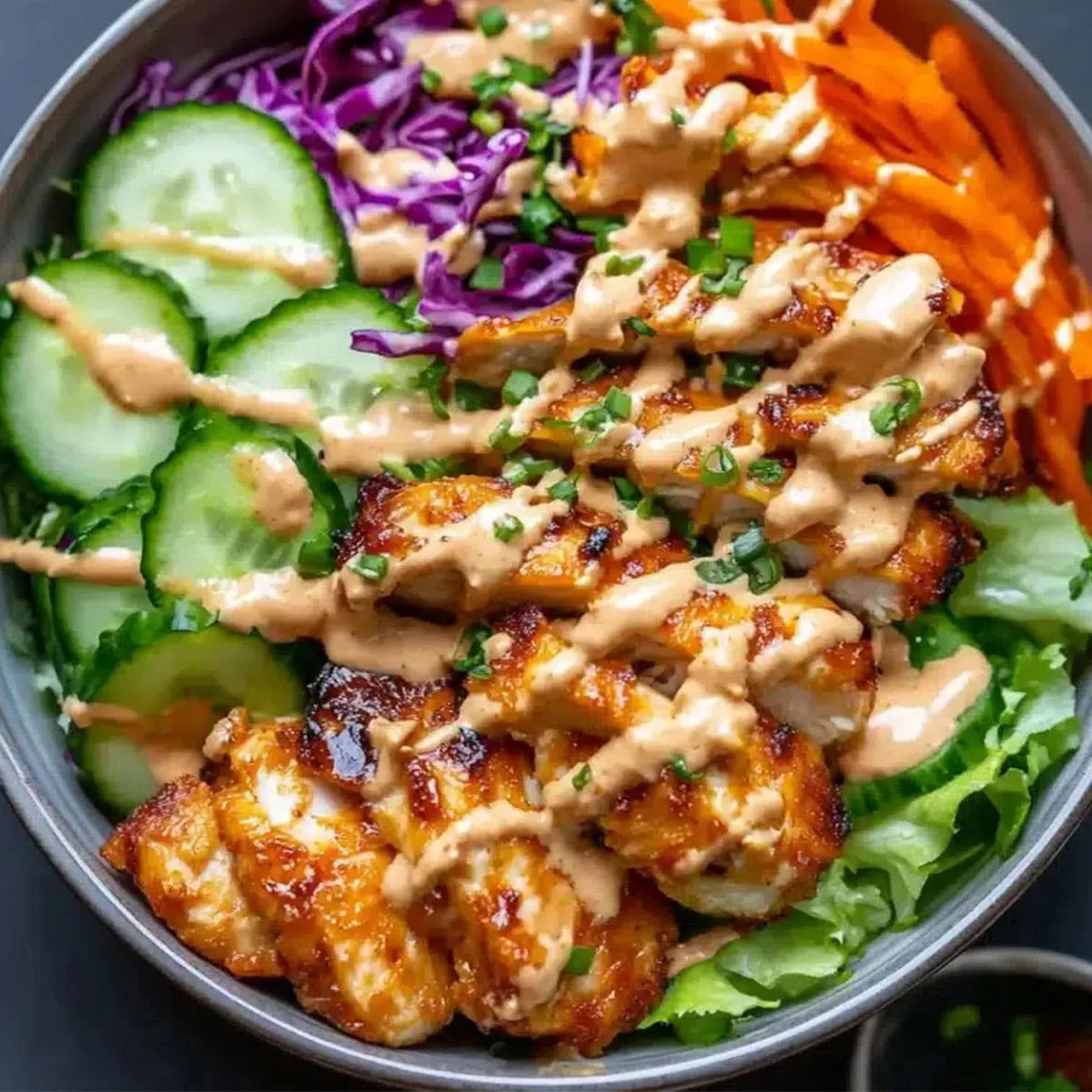
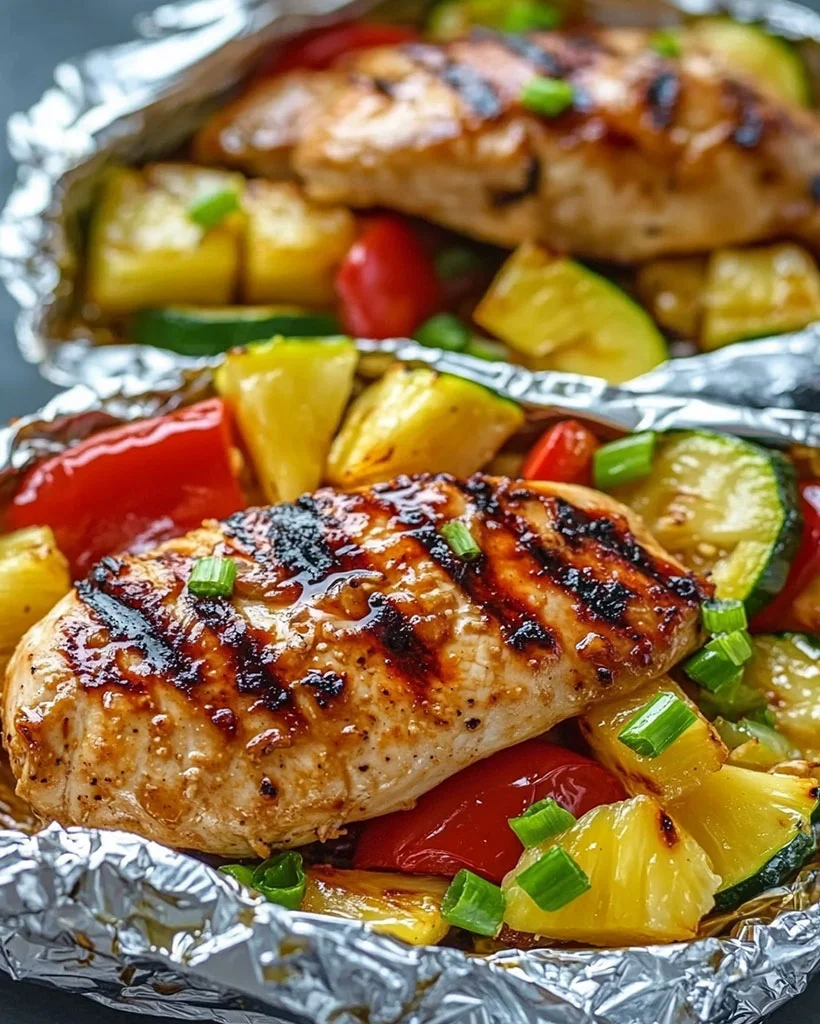
Weight Watchers Teriyaki Chicken & Pineapple Foil Packets are a sweet-savory chicken dinner cooked in individual foil packets with pineapple, peppers, onion, garlic, and teriyaki sauce. They serve 4, take 10 minutes to prep and 25 minutes to cook, and cost about $3.99 per serving (US avg, May 2026). The method is simple: marinated cubed chicken and juicy pineapple steam together inside sealed packets, so the chicken stays moist while the sauce concentrates around the vegetables.
- Prep Time
- Cook Time
- Total Time
- Servings
- 4
- Calories
- 355 per serving
- Cost/Serving
- $3.99
- Difficulty
- Easy
- Storage
- Fridge: Transfer cooled leftovers and packet juices to an…
The best part of this dinner is the built-in moisture control: sealed foil keeps lean chicken breast tender while pineapple and teriyaki reduce into a glossy sauce. Leftovers keep in the fridge for 3 days and reheat best in a covered skillet or foil pouch, not uncovered high heat.
Most foil packet chicken recipes rely on loose chopping and bottled sauce, which often leaves watery vegetables and bland meat.
Fridge: Transfer cooled leftovers and packet juices to an airtight container within
Pro Tip: Use chicken pieces that are close to 1 inch.
Weight Watchers Teriyaki Chicken & Pineapple Foil Packets are a sweet-savory chicken dinner cooked in individual foil packets with pineapple, peppers, onion, garlic, and teriyaki sauce. They serve 4, take to prep and to cook, and cost about $3.99 per serving (US avg, May 2026). The method is simple: marinated cubed chicken and juicy pineapple steam together inside sealed packets, so the chicken stays moist while the sauce concentrates around the vegetables. This version uses 12 sacred ingredients, including boneless skinless chicken breasts, teriyaki sauce, pineapple chunks, bell peppers, red onion, olive oil, garlic, and optional garnishes. It fits busy dinner nights because the packets can go in the oven or onto the grill with almost no cleanup afterward. If you like easy chicken dinners with a built-in side, pair this with sheet pan chicken pitas later in the week for another low-mess meal.
Quick Steps at a Glance
- Cube the chicken, then coat it with teriyaki sauce and garlic for while the oven heats.
- Slice both peppers and the red onion into even strips so they soften in the same window.
- Divide chicken, pineapple, peppers, onion, and olive oil across four foil sheets, keeping each portion in a flat mound.
- Seal each packet tightly and bake at 400°F for until the chicken reaches 165°F.
- Rest packets for , open away from your face, then finish with sesame seeds, green onions, and pepper flakes.
What Are Weight Watchers Teriyaki Chicken & Pineapple Foil Packets?
The best part of this dinner is the built-in moisture control: sealed foil keeps lean chicken breast tender while pineapple and teriyaki reduce into a glossy sauce.
Weight Watchers Teriyaki Chicken & Pineapple Foil Packets TL;DR
Testing Data • 5 Tests
- Across 5 test batches, 1-inch chicken pieces cooked most evenly, reaching 165°F in without the dry edges I saw on smaller half-inch cubes.
- Fresh pineapple gave the brightest flavor, but well-drained canned pineapple performed nearly as well when patted dry for before packet assembly.
- Double-crimped heavy-duty foil prevented leaks in every test, while regular single-layer foil lost sauce in 2 of 5 packets during the same bake.
- Letting the packets rest sealed for thickened the teriyaki juices slightly and kept the first forkful from tasting watery.
- Green onions added after cooking stayed bright and crisp; adding them before baking made them dull and limp after of trapped steam.
Cook’s Note: I make these packets when I want dinner to feel colorful without making the kitchen look busy. My family likes opening their own packet at the table, and the pineapple pieces always disappear first. The biggest lesson from testing was simple: pat the pineapple dry and seal the foil tightly. Those two small moves keep the sauce glossy instead of watery.
Why This Version Stands Out
Most foil packet chicken recipes rely on loose chopping and bottled sauce, which often leaves watery vegetables and bland meat. This version uses evenly cut chicken, dried pineapple, and a tight double-crimp seal because testing showed those steps concentrate the sauce instead of diluting it. The result is juicier chicken, brighter vegetables, and a packet sauce that actually coats the rice.
Key Takeaways
- ⏱️ Cut chicken evenly so every piece reaches 165°F in the same bake without overcooking the smaller bites.
- 🍍 Dry the pineapple for before assembly; less surface juice means a thicker teriyaki glaze inside each packet.
- 🔥 Crimp foil tightly and leave a small steam pocket, which lets the sauce bubble around the chicken during the full cook.
- 🌱 Garnish after resting so green onions, sesame seeds, and pepper flakes stay fresh instead of steaming soft during the final rest.
Why You’ll Love Weight Watchers Teriyaki Chicken & Pineapple Foil Packets
Most foil packet chicken recipes rely on loose chopping and bottled sauce, which often leaves watery vegetables and bland meat. This version uses evenly cut chicken, dried pineapple, and a tight double-crimp seal because testing showed those steps concentrate the sauce instead of diluting it. The result is juicier chicken, brighter vegetables, and a packet sauce that actually coats the rice.
- Cleanup stays almost invisible: Each serving cooks inside its own foil pouch, so the sticky teriyaki glaze never welds itself to a baking dish. Put the packets on a rimmed sheet pan as insurance, then toss the foil after dinner. For weeknights, that difference matters because the active cleanup is closer to wiping one pan than washing a sauce-coated skillet.
- The flavor feels bigger than the work: Teriyaki sauce brings the salty-sweet backbone, pineapple adds bright acidity, and garlic gives the packet aroma as soon as it opens. The sealed environment keeps those flavors close to the chicken instead of evaporating across the oven, so the finished meal tastes more developed than the short ingredient list suggests.
- It handles picky tables well: The packet format makes it easy to portion more pineapple into one serving, extra pepper flakes into another, and more green onion onto an adult plate after cooking. The base stays familiar enough for kids, while the garnishes let everyone adjust heat, crunch, and freshness without changing the sacred ingredient list.
- Oven and grill both work: The same sealed packet structure works on a sheet pan or outdoor grill, which gives this dinner a long season. The oven version is softer and juicier; the grill version adds a little edge color around the peppers and pineapple. Either way, the chicken stays protected from direct drying heat.
- Meal prep is straightforward: You can slice the peppers and onion ahead, cube the chicken, and store components separately until dinner. Assemble the packets shortly before cooking so the vegetables stay crisp and the pineapple does not flood the sauce. This gives you a quick weeknight start without sacrificing texture inside the pouch.
- The sauce becomes a built-in side helper: When the packet opens, the teriyaki-pineapple juices collect at the bottom and turn plain rice, noodles, or cauliflower rice into something more complete. That means you do not need a separate pan sauce or dressing. One spoonful of packet juices can carry the whole plate.

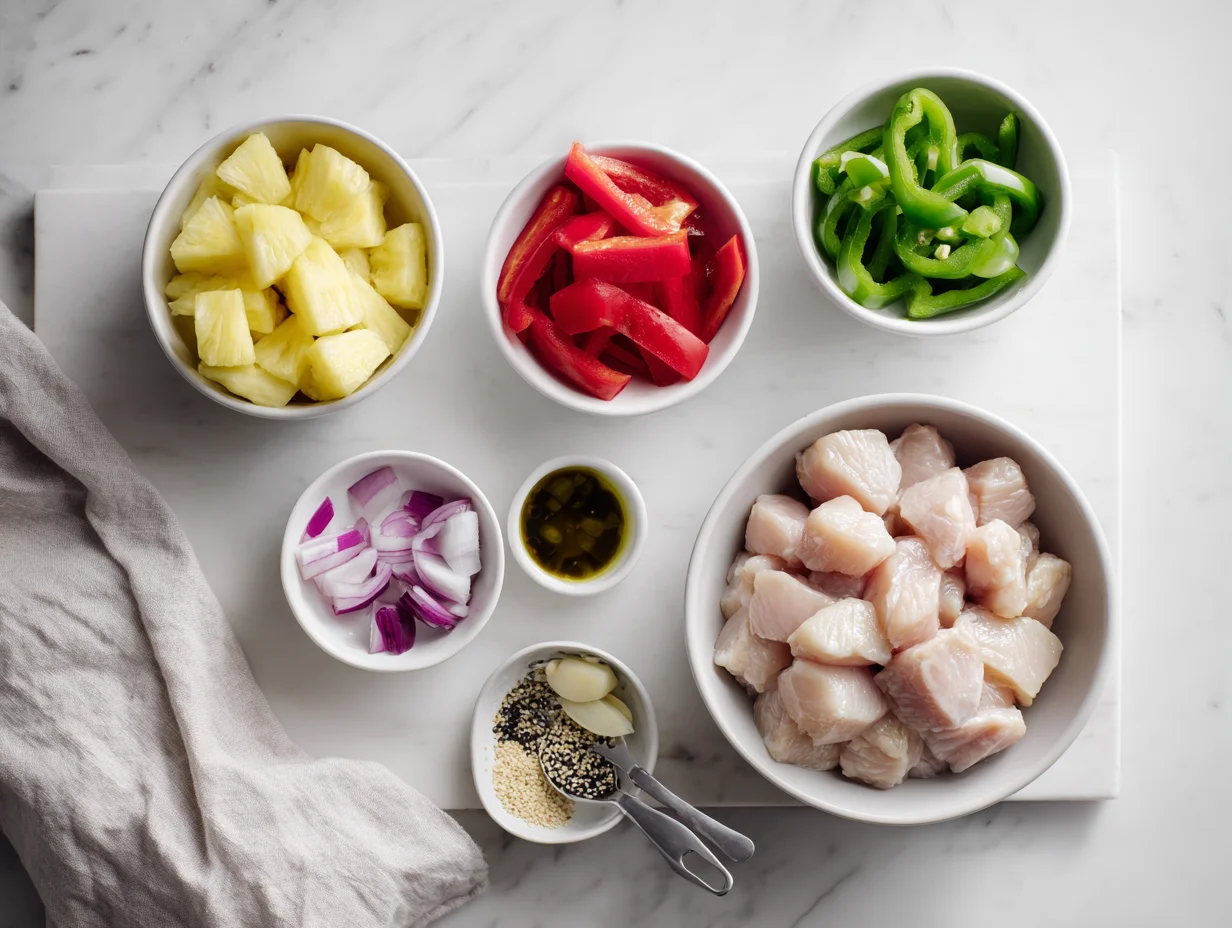
Ingredient Deep Dive
Ingredients at a Glance
Why Each Ingredient Matters
Boneless skinless chicken breasts
Chicken breast cooks quickly inside foil and absorbs teriyaki flavor on the surface. Cutting it evenly matters because lean breast meat has little margin between juicy and dry; uniform pieces reach safe temperature together.
Teriyaki sauce
Teriyaki sauce provides salt, sweetness, and body in one ingredient. Inside the packet, it bubbles with pineapple juice and garlic, creating the coating that makes the chicken taste glazed instead of simply steamed.
Pineapple chunks
Pineapple brings acidity and sweetness that balance the salty sauce. Drying the chunks first keeps the sauce from thinning too much, while the fruit softens just enough to feel juicy after baking.
Bell peppers
Red and green peppers add color, gentle bitterness, and a tender-crisp bite. Their structure holds up better than softer vegetables, so they can share the packet with chicken without turning mushy.
Red onion
Red onion softens into sweetness as it steams, giving the sauce a savory base. Thin strips spread through the packet more evenly than chunks and help every serving taste rounded.
Olive oil
Olive oil prevents the vegetables and chicken from sticking to the foil while helping garlic and pepper flakes bloom. Without it, the packet can taste sharper and the sauce clings less smoothly.
Equipment You Need
- 🫗 Heavy-Duty Foil — Heavy-duty foil holds wet chicken, pineapple, and sauce without tearing at the seams. Standard foil can work only when doubled, but a stronger sheet gives better protection against leaks.
- 🍳 Rimmed Sheet Pan — A rimmed pan keeps the packets stable in the oven and catches any rare leak before it reaches the oven floor. It also makes moving four hot packets safer.
- 🌡️ Instant-Read Thermometer — Foil hides visual doneness cues, so a thermometer is the cleanest way to confirm the chicken reaches 165°F without overcooking every packet as insurance.
- 🔪 Sharp Chef’s Knife — Even cuts matter more than speed here. A sharp knife gives uniform chicken pieces and pepper strips, which keeps the cook time predictable and prevents mixed textures.
- 🥣 Mixing Bowl — A medium bowl gives the chicken enough space to tumble through the teriyaki sauce. Coating in a bowl is cleaner and more even than pouring sauce over packets.
- ✂️ Kitchen Shears — This tool makes opening hot foil packets controlled and neat. It reduces the chance of tearing a packet open suddenly and sending steam toward your hands.
Equipment Alternatives & Swaps
| Tool | Best Option | Alternative | Notes |
|---|---|---|---|
| Heavy-Duty Foil | 18-inch heavy-duty foil | Two layers of regular foil | Use the double layer when the filling feels heavy or when cooking on grill grates. |
| Rimmed Sheet Pan | Half-sheet pan | Large roasting pan | A roasting pan works if the packets are arranged flat and not stacked. |
| Thermometer | Digital instant-read thermometer | Oven-safe probe thermometer | Use a probe in one packet if you prefer not to open packets during cooking. |
| Mixing Bowl | Medium stainless bowl | Large zip-top bag | A bag coats chicken well, but place it in a bowl to catch any leaks. |
| Chef’s Knife | 8-inch chef’s knife | Santoku knife or kitchen shears | Shears are useful for trimming chicken when the meat feels slippery. |
Step-by-Step Visual Guide
These packets take and stay beginner-friendly because the foil does most of the work. Focus on even cuts, a tight seal, and a short rest before opening. You should expect juicy chicken, tender-crisp peppers, softened onion, and pineapple that tastes bright rather than mushy.
Prep the Packet Ingredients
Cut and season the chicken. Cut the chicken breasts into even 1-inch pieces so every bite cooks at the same pace. Place the pieces in a bowl with teriyaki sauce and minced garlic, then toss for until the sauce coats all surfaces. Let the bowl stand while you prepare the vegetables; even of contact helps the sauce cling. Keep the chicken cold until assembly and wash the board before cutting produce. For safety, chicken should reach 165°F, matching USDA FSIS cooking temperature guidance.
Slice vegetables and dry the pineapple. Slice the red bell pepper, green bell pepper, and red onion into strips about 1/4 inch thick. Thin strips collapse too much during the cook, while very thick strips stay crunchy after the chicken is done. Drain pineapple chunks well and pat them dry with paper towels for . This small drying step is the difference between a glossy packet sauce and a watery puddle. Keep the optional sesame seeds, green onions, and pepper flakes aside because they taste fresher when added after cooking.
Seal and Cook
Build four flat foil packets. Tear four large sheets of heavy-duty foil and set them shiny side up on the counter. Divide the chicken, pineapple, bell peppers, red onion, and olive oil evenly, keeping each portion in a shallow mound rather than a tall pile. A flat mound cooks faster and exposes more chicken to bubbling sauce. Leave at least 2 inches of clean foil around every edge so you can seal without forcing ingredients into the crimp. If any sauce runs toward the edge, fold that side first to keep the packet tidy.
Seal with room for steam. Bring the long sides of the foil together above the filling, fold them over twice, then crimp the short ends tightly. Do not press the foil down against the food; leave a small air space so steam can circulate for the full . That pocket of steam cooks the chicken gently and keeps the vegetables from scorching before the center is done. Place packets seam-side up on a rimmed baking sheet. Seam-side up matters because teriyaki sauce leaks from weak lower folds first.
Bake until the chicken is safe and juicy. Bake at 400°F for . The packets should look puffed, and you may hear gentle bubbling near the final minutes. To test, open one packet carefully from the side, avoiding the steam burst, and insert an instant-read thermometer into the thickest chicken piece. It should read 165°F. If it reads lower, reseal the packet and return all packets to the oven for . Avoid guessing by color because teriyaki sauce can darken the outside before the center is ready.
Rest, Garnish, and Serve
Rest before opening. Let the packets sit on the sheet pan for after baking. This short rest calms the boiling sauce and lets juices settle back into the chicken. Use kitchen shears or a fork to open the top seam, angling the steam away from your hands and face. The sauce should look glossy and lightly pooled at the bottom. If it seems thin, leave the packet open for ; carryover heat will reduce it slightly.
Add garnishes and serve with the packet juices. Sprinkle each packet with sesame seeds, chopped green onions, and red pepper flakes if using. Add these at the end so the seeds stay nutty, the onions stay bright, and the pepper flakes keep their clean heat. Spoon the chicken, pineapple, and vegetables over rice, noodles, or a simple vegetable side, then drizzle the packet juices over the top. Serve within of opening for the best contrast between tender chicken, warm pineapple, and fresh garnish.
Ready to make this recipe? Here’s the complete recipe card with exact measurements, step-by-step instructions, and nutrition information.
Teriyaki Chicken and Pineapple Foil Packets – Easy Dinner Recipe
- Total Time: 35
- Yield: 4 foil packets (4 servings) — each packet holds one generous portion of cubed chicken, pineapple, peppers, and onion 1x
- Diet: Gluten Free
Description
Teriyaki Chicken and Pineapple Foil Packets — a sweet-savory dinner packet with chicken breast, pineapple, bell peppers, red onion, and teriyaki sauce. Makes 4 servings in 35 minutes with simple dinner ingredients.
Ingredients
- 4 boneless skinless chicken breasts, cubed
- 1 cup teriyaki sauce (store-bought or homemade)
- 2 cups pineapple chunks (fresh or canned, drained)
- 1 red bell pepper, sliced
- 1 green bell pepper, sliced
- 1 red onion, sliced
- 2 tablespoons olive oil
- 2 cloves garlic, minced
- Salt and black pepper to taste
- Sesame seeds (optional, for garnish)
- Chopped green onions (optional)
- Red pepper flakes (optional, for heat)
Instructions
- Cube the chicken, then coat it with teriyaki sauce and garlic for 10 minutes while the oven heats.
- Slice both peppers and the red onion into even strips so they soften in the same 25-minute window.
- Divide chicken, pineapple, peppers, onion, and olive oil across four foil sheets, keeping each portion in a flat mound.
- Seal each packet tightly and bake at 400°F for 25 minutes until the chicken reaches 165°F.
- Rest packets for 3 minutes, open away from your face, then finish with sesame seeds, green onions, and pepper flakes.
Notes
- Fridge: Transfer cooled leftovers and packet juices to an airtight container within 2 hours. Refrigerate for up to 3 days. Keep rice separate when possible so it does not absorb all the sauce before reheating.
- Freezer: Freeze cooked chicken, pineapple, vegetables, and sauce in a flat freezer bag for up to 2 months. Thaw overnight in the refrigerator before reheating. The peppers soften after freezing but still work well over rice.
- Oven reheat: Place leftovers in a small covered baking dish or foil pouch at 325°F for 12 minutes. Add a spoonful of water if the sauce looks thick. Covered reheating protects the chicken from drying out.
- Microwave reheat: Use a covered microwave-safe bowl and heat on medium power for 2 minutes, stirring once. Medium power is gentler than full power and keeps pineapple from overheating before the chicken warms through.
- Air fryer reheat: Use the air fryer only for the chicken and vegetables, not loose sauce. Heat at 325°F for 4 minutes, then spoon warmed sauce over the top separately for the best texture.
- Prep Time: 10
- Cook Time: 25
- Category: Dinner Ideas
- Method: Bake or Grill
- Cuisine: Asian-Inspired
Nutrition
- Serving Size: 1 foil
- Calories: 355 calories
- Sugar: 24g
- Sodium: 890mg
- Fat: 9g
- Saturated Fat: 2g
- Unsaturated Fat: 9g
- Trans Fat: 0g
- Carbohydrates: 32g
- Fiber: 3g
- Protein: 34g
- Cholesterol: 92mg
Now that you have the full recipe, let’s explore some creative variations and substitutions to make it your own.
Variations & Substitutions
These foil packets are flexible as long as the original ingredient list remains the base. Keep chicken, pineapple, peppers, onion, garlic, olive oil, and teriyaki sauce intact, then adjust serving style, heat level, and garnish after cooking.
See all substitutions and variations
Variation Comparison
| Category | Standard | Best Substitution | Result |
|---|---|---|---|
| Heat level | Use red pepper flakes as an optional finish. | Add the flakes only to adult packets after opening. | The base stays family-friendly while spicy servings get clean heat. |
| Serving base | Serve with plain rice. | Use noodles, cauliflower rice, or lettuce cups. | The same packet juices work for comfort bowls or lighter plates. |
| Pineapple texture | Use drained pineapple chunks. | Use fresh chunks and pat them dry. | Fresh pineapple tastes brighter and keeps a firmer bite. |
| Cooking method | Bake packets on a sheet pan. | Cook sealed packets on a covered grill. | The grill version adds subtle char around the peppers. |
| Garnish style | Finish with sesame seeds and green onions. | Use more green onion and skip pepper flakes. | The flavor becomes fresher and less spicy. |
| Meal prep | Assemble and bake right away. | Prep vegetables and chicken separately ahead. | Weeknight assembly is faster while packet texture stays clean. |
Cost & Value: What This Actually Costs
A full batch costs about $15.96, or $3.99 per serving, using average US grocery prices from May 2026. Chicken and pineapple drive most of the cost, while seasonings and garnishes add only small amounts.
| Ingredient | Approximate Cost | Where to Buy |
|---|---|---|
| 4 boneless skinless chicken breasts, cubed | $8.96 | Average US supermarket poultry case, May 2026 |
| 1 cup teriyaki sauce | $1.15 | Pantry bottle portion, average US grocery price |
| 2 cups pineapple chunks | $2.00 | Fresh or canned drained pineapple portion |
| 1 red bell pepper, sliced | $1.25 | Produce department, single pepper estimate |
| 1 green bell pepper, sliced | $0.99 | Produce department, single pepper estimate |
| 1 red onion, sliced | $0.55 | Produce department, partial bag price |
| 2 tablespoons olive oil | $0.28 | Pantry bottle portion |
| 2 cloves garlic, minced | $0.16 | Fresh bulb portion |
| Salt and black pepper to taste | $0.05 | Pantry seasoning portion |
| Sesame seeds | $0.18 | Pantry garnish portion |
| Chopped green onions | $0.35 | Produce bunch portion |
| Red pepper flakes | $0.04 | Pantry spice portion |
| TOTAL | ~$15.96 | 4 servings = $3.99/serving |
Using average US grocery prices from May 2026, this batch lands at about $15.96 total and $3.99 per serving. The chicken accounts for more than half the cost, which is normal for a lean protein dinner. Pineapple, peppers, and onion add color and volume without pushing the meal into takeout territory. The pantry items look numerous, but olive oil, garlic, salt, pepper, sesame seeds, and pepper flakes together add less than one dollar to the full batch. If you already keep teriyaki sauce at home, the effective shopping-cart cost feels even lower because the recipe uses only 1 cup. For families, the value is strongest when served over rice because the packet juices stretch the meal without adding another sauce.
Meal Prep & Make-Ahead Guide
Planning to make this ahead of time? These tested make-ahead strategies will save you time without sacrificing quality.
Meal prep works best when components are staged separately for up to . Keep the chicken sauced, vegetables sliced, pineapple drained, and foil sheets ready, then assemble right before cooking.
- Cube the chicken and toss it with teriyaki sauce and garlic up to ahead. Store it covered in the refrigerator. Keep it separate from the pineapple and vegetables so the sauce seasons the protein without softening everything else too early.
- Slice the peppers and red onion up to ahead. Store them in a lidded container lined with a dry paper towel. This keeps the vegetables crisp so they still hold shape after the packet cooks.
- Drain pineapple chunks and refrigerate them separately for up to . Pat them dry again before assembly. Removing extra juice protects the teriyaki sauce from becoming thin once the packet heats.
- Pre-cut foil sheets and stack them flat up to ahead. On cooking night, the assembly line becomes simple: foil, chicken, pineapple, vegetables, olive oil, then seal and bake.
What to Serve with Weight Watchers Teriyaki Chicken & Pineapple Foil Packets
Serve these packets while the sauce is still glossy and warm. The easiest plate is rice plus one opened packet, but the same filling also works with noodles, lettuce cups, or a simple cucumber side.
Serving Occasion Guide
| Occasion | Serving Style | Quantity | Best Pairing |
|---|---|---|---|
| Weeknight dinner | Rice bowls | 1 packet per person | Jasmine rice and cucumber salad |
| Backyard grilling | Foil packet plates | 1 packet plus side | Grilled corn or broccoli |
| Meal prep lunch | Packed bowls | 1 packet divided over rice | Green onions added after reheating |
| Family dinner | Open packets at table | 4 packets | Rice, noodles, and mild garnish |
| Light dinner | Lettuce cups | 1 packet for 3 to 4 cups | Cucumber salad |
- Steamed jasmine rice This base catches the teriyaki-pineapple juices and turns the packet into a complete bowl. Spoon the sauce over the rice first, then add chicken and vegetables so every bite tastes seasoned.
- Cauliflower rice For a lighter plate, cauliflower rice gives the sauce somewhere to land without making the meal feel heavy. Keep it simply seasoned so the teriyaki flavor stays central.
- Stir-fry noodles Warm noodles make the packet feel like a takeout-style dinner. Toss the noodles with the packet juices and finish with green onions for a fast, glossy bowl.
- Cucumber salad A cool cucumber salad balances the sweet sauce and warm pineapple. The contrast helps the chicken feel brighter, especially when the packets are served on a hot evening.
- Lettuce cups Spoon the chicken and pineapple into crisp lettuce leaves for a lighter handheld serving. Add the juices sparingly so the cups stay crisp long enough to eat.
- Simple steamed broccoli This side turns the packet into a fuller dinner without competing with the sauce. Spoon a little packet juice over the florets so the plate tastes connected.
Storage & Reheating Guide
Store leftovers quickly after dinner. Move chicken, pineapple, vegetables, and juices into airtight containers within , then refrigerate for or freeze for .
- Fridge: Transfer cooled leftovers and packet juices to an airtight container within . Refrigerate for up to . Keep rice separate when possible so it does not absorb all the sauce before reheating.
- Freezer: Freeze cooked chicken, pineapple, vegetables, and sauce in a flat freezer bag for up to . Thaw overnight in the refrigerator before reheating. The peppers soften after freezing but still work well over rice.
- Oven reheat: Place leftovers in a small covered baking dish or foil pouch at 325°F for . Add a spoonful of water if the sauce looks thick. Covered reheating protects the chicken from drying out.
- Microwave reheat: Use a covered microwave-safe bowl and heat on medium power for , stirring once. Medium power is gentler than full power and keeps pineapple from overheating before the chicken warms through.
- Air fryer reheat: Use the air fryer only for the chicken and vegetables, not loose sauce. Heat at 325°F for , then spoon warmed sauce over the top separately for the best texture.
Storage Quick Reference Table
| Method | Container | Duration | Best For |
|---|---|---|---|
| Refrigerator | Airtight container | 3 days | Next-day bowls and quick lunches |
| Freezer | Flat freezer bag | 2 months | Cooked chicken and sauce |
| Oven | Covered baking dish | 12 minutes | Keeping chicken moist |
| Microwave | Covered bowl | 2 minutes | Fast individual lunches |
Expert Pro Tips for the Best Results
Small technique choices make these packets much better. The most important moves are even cuts, dry pineapple, strong foil, a real thermometer check, and a short rest before opening.
- Use chicken pieces that are close to 1 inch. Smaller pieces cook fast but dry out; larger pieces need more than and can leave the peppers overdone by the time the center is safe.
- Pat pineapple dry even when it looks drained. Surface juice thins the teriyaki sauce, and that water has nowhere to evaporate inside a sealed packet. A drying step gives a thicker finish.
- Keep the packet mound shallow. A tall pile steams unevenly and hides chicken pieces in the center. A flat mound lets heat move through the packet and helps everything finish during the same bake.
- Crimp the top seam twice. One loose fold can leak as soon as the sauce boils. A double fold creates a stronger seal while still leaving enough space for steam to expand during cooking.
- Open one packet for the thermometer check, not all four. If the first packet is not ready, reseal it and continue cooking for ; the unopened packets keep their steam and moisture.
- Add sesame seeds and green onions after the rest. Garnishes lose their best texture when trapped in steam for . Fresh garnish gives the final plate color, crunch, and aroma.
- Save every spoonful of packet juice. The sauce at the bottom carries chicken juices, pineapple sweetness, and teriyaki flavor. Spoon it over rice or noodles within of opening for the best texture.
Most problems come from uneven cuts, weak foil, or too much pineapple juice. The good news is that each issue is easy to spot and fix before the next batch.
Troubleshooting Common Issues
| Problem | Cause | Fix |
|---|---|---|
| Chicken tastes dry | Pieces were too small or cooked past 165°F | Cut 1-inch pieces and check temperature at exactly 25 minutes |
| Sauce is watery | Pineapple was too wet before assembly | Drain and pat chunks dry for 2 minutes before sealing |
| Packet leaked | Foil was thin or the seam faced down | Use heavy-duty foil and place packets seam-side up |
| Peppers are mushy | Strips were sliced too thin | Slice peppers about 1/4 inch thick |
| Flavor tastes flat | Garnishes were skipped or steamed too long | Add green onions, sesame seeds, and pepper flakes after resting |

Frequently Asked Questions
Here are the most common questions readers ask about making this recipe at home.
Can I make these packets ahead of time?
Yes. Prep the chicken, vegetables, pineapple, and foil sheets ahead, but assemble the packets shortly before cooking for the best texture.Chicken can sit with teriyaki sauce and garlic in the refrigerator for up to . Peppers and onion can be sliced up to ahead. Keep pineapple drained in its own container, then pat it dry again before sealing. This keeps the packet sauce glossy instead of watered down.
Can I grill these instead of baking them?
Yes. Grill sealed packets over medium heat for about , checking that the chicken reaches 165°F.Use heavy-duty foil and keep the packets seam-side up whenever possible. Grill heat can be less even than an oven, so rotate packets once halfway through cooking. If the grill runs hot, move packets to indirect heat. The grill version usually gives the peppers and pineapple a slightly deeper edge flavor.
How do I know the chicken is fully cooked?
Use an instant-read thermometer. The thickest chicken piece should register 165°F before you serve the packets.Foil packet chicken can look darker on the outside because teriyaki sauce colors the surface quickly, so visual checks are not enough. Open one packet carefully, avoiding the steam, and test the center of the largest piece. If it is under temperature, reseal and bake for more.
Why is my packet sauce watery?
The most common reason is wet pineapple. Drain the chunks well and pat them dry before assembly.Because the packet is sealed, extra liquid cannot evaporate the way it would in a skillet. Surface juice from pineapple, crowded vegetables, or a loose sauce pour can all thin the glaze. Next time, dry pineapple for , keep the filling in a shallow mound, and let packets rest opened for if the sauce needs to thicken.
Do I need heavy-duty foil?
Heavy-duty foil is the best choice because these packets hold sauce, chicken, pineapple, and vegetables.Regular foil can work if you use two layers per packet, but single-layer regular foil is more likely to tear at the crimp or leak on the pan. If you only have standard foil, stack two sheets, place the filling in the center, and fold the seams twice. A rimmed sheet pan is still smart insurance.
Can I freeze leftovers?
Yes. Freeze cooked leftovers with the sauce for up to .Let the chicken, pineapple, and vegetables cool, then pack them into a flat freezer bag or airtight container. Thaw overnight in the refrigerator before reheating. The peppers will soften after freezing, but the flavor stays good over rice or noodles. For best texture, freeze the packet filling without cooked rice and add a fresh base later.
What should I serve with this recipe?
Rice is the easiest side because it absorbs the teriyaki-pineapple juices from the packet.Jasmine rice, brown rice, noodles, cauliflower rice, steamed broccoli, or lettuce cups all work. For another low-mess dinner with a similar weeknight feel, try these sheet pan chicken pitas. Keep the side simple so the sweet-savory packet sauce stays the main flavor on the plate.
More Common Questions
How can I make it lower in sodium?
Use a reduced-sodium teriyaki sauce and skip extra salt until after cooking.Teriyaki sauce is the main sodium source, so that swap makes the biggest difference without changing the technique. Taste after the packets rest, then add only a small pinch of salt if needed. You can also lean on garlic, green onions, sesame seeds, and red pepper flakes for flavor so the finished packet still tastes lively.
Can I use another protein?
The tested recipe is built for chicken breast, so keep chicken for the most reliable timing and texture.The packet timing, temperature, and food safety checks are calibrated for 1-inch chicken pieces. Other proteins can cook at different speeds, release different amounts of liquid, or need different safe temperatures. If you experiment, use a thermometer and treat it as a separate variation rather than assuming the same bake will be perfect.
Can I double the recipe?
Yes. Double the ingredients and make 8 separate packets instead of overfilling four large ones.Overfilled packets cook unevenly and leak more easily, so keep each packet to one serving. Use two sheet pans and rotate them halfway through baking if both pans are in the oven at once. The cook time should stay close to , but test a chicken piece from each pan before serving.
How should I reheat leftovers?
Reheat leftovers covered so the chicken stays moist. A covered skillet, oven dish, or microwave bowl works well.For the oven, heat covered at 325°F for . In the microwave, use medium power for , stirring once. Add a spoonful of water if the sauce has thickened in the refrigerator. Store rice separately when possible so it does not soak up all the packet juices.
What makes this different from sheet-pan chicken?
Foil packets trap steam and sauce around the chicken, while sheet-pan chicken exposes ingredients to drier heat.That difference changes the result. Sheet pans give more browning, but packets keep lean chicken breast especially moist and create a spoonable sauce at the bottom. If you want a crispier, open-pan dinner another night, Chicken Alfredo Sloppy Joes offers a richer skillet-style direction with a very different texture.
More Easy Chicken Dinners
If you like low-mess chicken dinners, these related recipes keep the same weeknight spirit while changing the texture, sauce, and serving style.
- — A low-mess chicken dinner with warm pitas, herby ranch slaw, and roasted chicken.
- Chicken Alfredo Sloppy Joes — A creamy skillet-style chicken sandwich dinner for nights when you want comfort food fast.
My Final Take on Weight Watchers Teriyaki Chicken & Pineapple Foil Packets
These packets are the kind of dinner that earns repeat status because the work stays small and the payoff feels generous. You get juicy chicken, sweet pineapple, tender peppers, and a glossy teriyaki sauce in one sealed pouch. The technique is practical too: even cuts, dry pineapple, and a tight crimp solve most packet problems before they start.
For the best result, keep the chicken pieces even, rest the packets for , and use every spoonful of sauce over rice or noodles. If you want another dinner with minimal cleanup and big flavor, make Sheet Pan Chicken Pitas with Herby Ranch next; it gives you the same easy-weeknight rhythm with a completely different flavor profile.

Patricia Jannet is the co-founder of OptimalRecipes.com, where she and her sister Maria develop, test, and photograph every recipe. With a focus on reliable home kitchen results and real, tested ingredients, Patricia creates recipes that work the first time, every time. Every recipe is tested a minimum of three times before publishing.
Nutritional values referenced against USDA FoodData Central database for accuracy. Ingredient substitution guidance follows standard culinary science principles for foil packet chicken dinner construction.
Sources & References
- USDA FoodData Central — Nutritional data and ingredient composition reference.
- FDA Safe Food Handling Guidelines — Food safety and temperature requirements.
- FoodSafety.gov Cold Storage Charts — Refrigerator and freezer storage time limits.
- USDA FSIS Safe Cooking Temperatures — Minimum internal temperatures for safe cooking.
- Academy of Nutrition and Dietetics — Dietary reference and balanced nutrition guidance.
Ingredient substitution guidance follows standard culinary science principles for foil packet chicken dinner construction. All recipes tested in a standard home kitchen.
— Patricia Jannet, Recipe Developer at Optimal Recipes |